Taylor Swift: A turbo-capitalist or pop supernova?
Amidst her omnipresent media footprint and unparalleled tour success, is the 34-year-old pop star a beacon of cultural dominance or the epitome of commercialism to the point of fan fatigue?


Credits: Kim Kardashian on X
Credits: Kim Kardashian on X

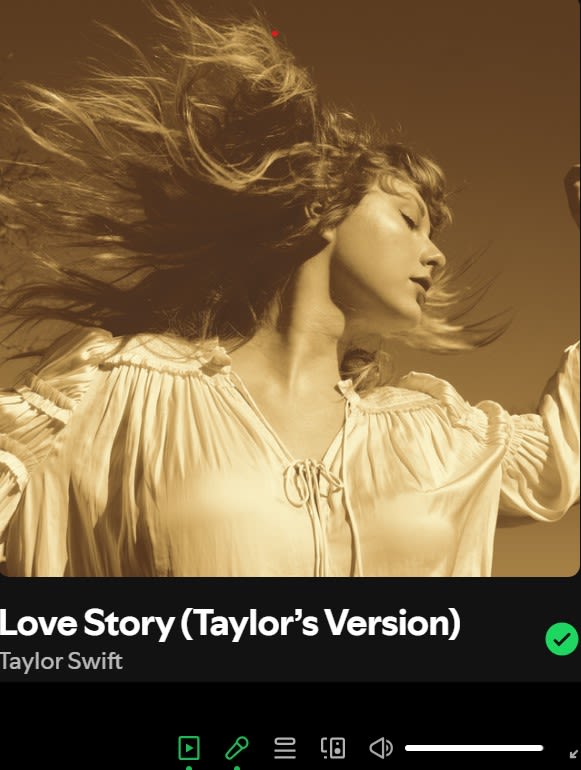
Love Story (Taylor's Version) Credits: Angira Sen via Spotify
Love Story (Taylor's Version) Credits: Angira Sen via Spotify

Credits: Artwork via Pinterest
Credits: Artwork via Pinterest

Credits: Artwork via Pinterest
Credits: Artwork via Pinterest

The Tortured Poets Department ; Credits: Taylor Swift via Instagram
The Tortured Poets Department ; Credits: Taylor Swift via Instagram

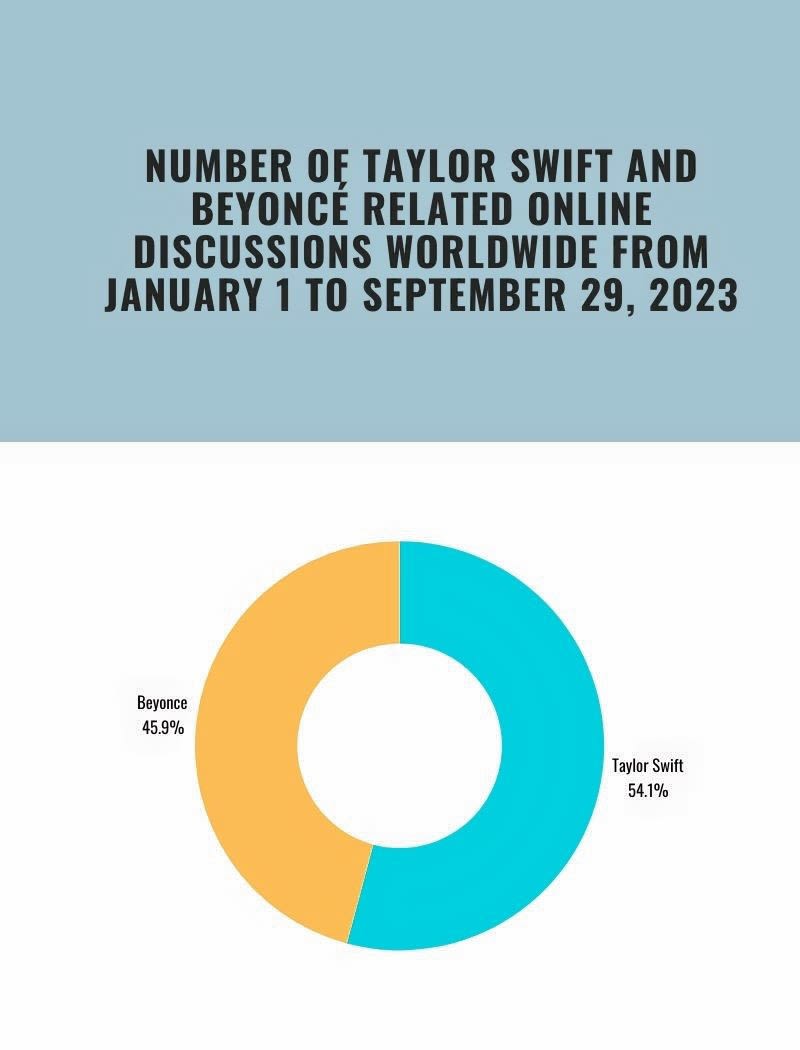
Online Discussions on TSwift ; Credits: Statista
Online Discussions on TSwift ; Credits: Statista
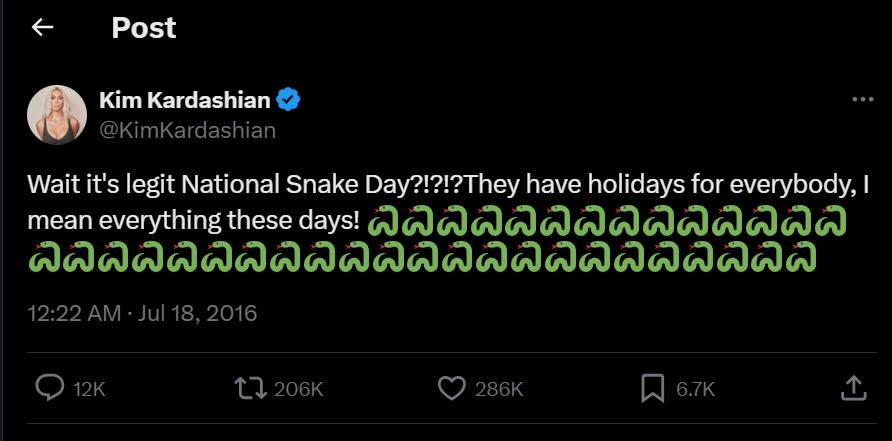
I am trying to remember the last time I heard or saw Taylor Swift taking a hiatus. We can count the infamous 2016 Kimye “snake” saga, in which Kanye West released the song Famous, with the controversial lyric, “I feel like me and Taylor might still have sex. Why? I made that bitch famous.” The pop star disapproved, stating she had not consented to the lyric and found it disrespectful. West, however, claimed that Swift had approved it, and his wife, Kim Kardashian, later released an edited video of a phone call in which Swift is shown to seemingly acknowledge and approve of the song. During this feud, Kim tweeted the snake emoji portraying Swift as a liar, leading to #TaylorSwiftIsOverParty trending on Twitter (now X). This incident prompted her to retreat from the public eye for a year before returning with her fifth studio album, Reputation, using the snake as a branding symbol for the same.
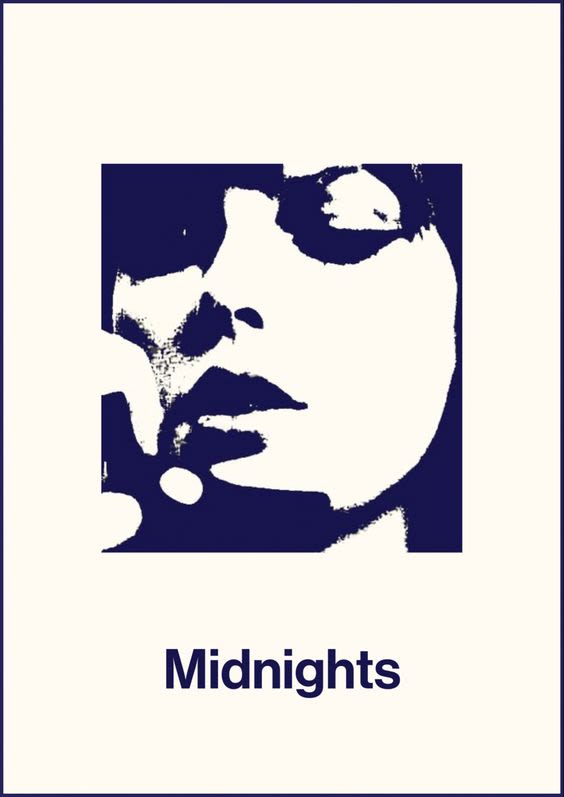
Since then, Swift has been unstoppable. Even during the global pandemic, she released two albums, Folklore and Evermore, in July and December 2020. After which, she began re-recording her previous albums to own her music after her former label, Big Machine Records, was sold to Scooter Braun, including the rights to her master recordings. She released Fearless (Taylor’s Version) and Red (Taylor’s Version) in 2021. Swift also released her 10th studio album, Midnights, at the 2022 MTV Video Music Awards.

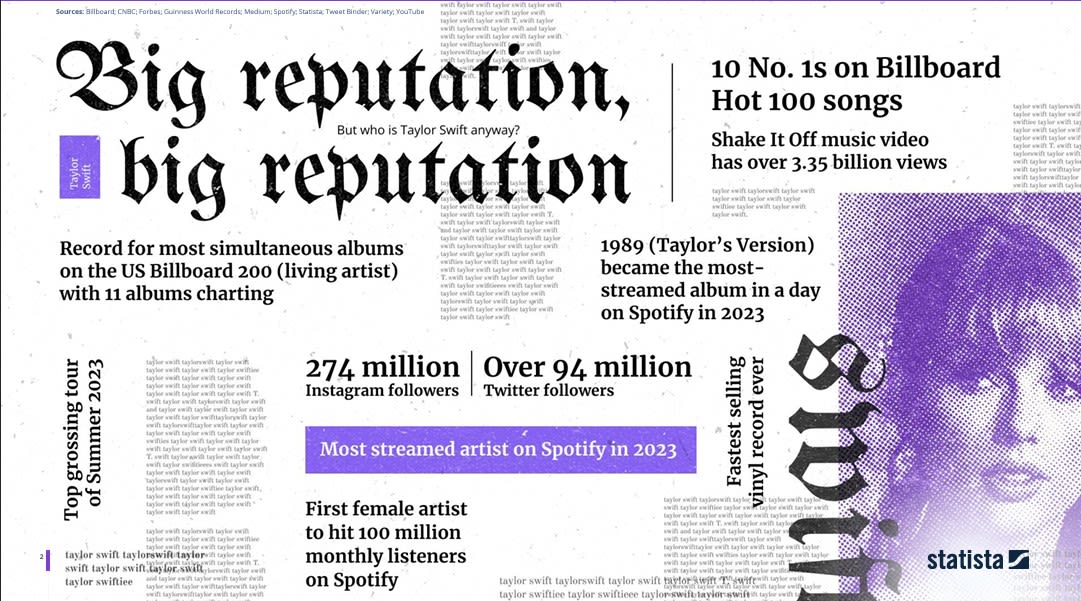
Taylor Swift ; Credits: Statista
Taylor Swift ; Credits: Statista
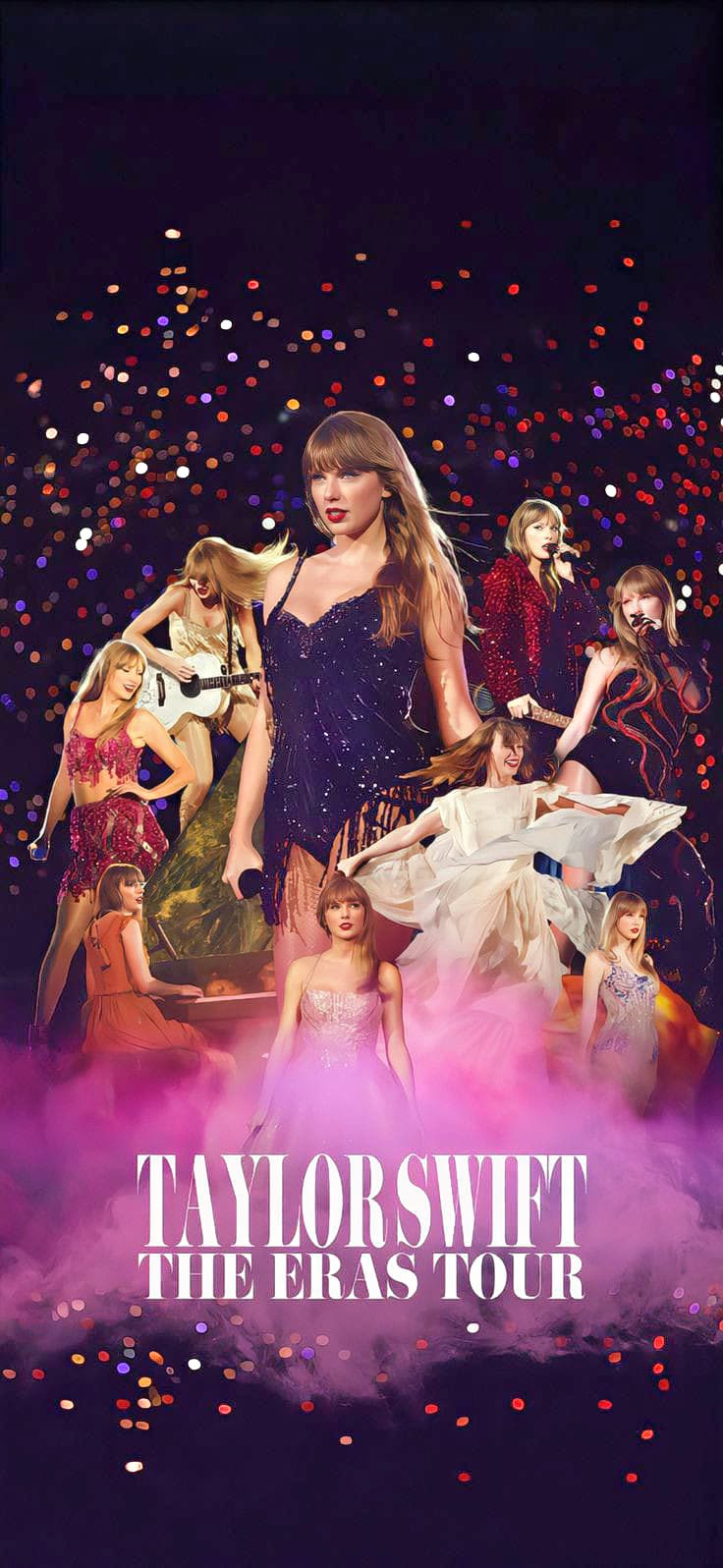
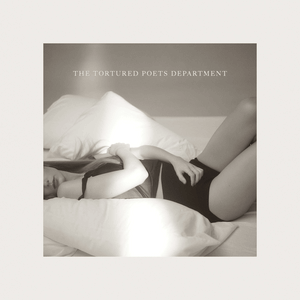
In 2023, she embarked on The Eras Tour, the highest-grossing tour ever. Despite the demanding tour schedule and performing three-hour long shows, she managed to release two more re-recordings, 1989 (Taylor’s Version) and Speak Now (Taylor’s Version), and a new album, The Tortured Poets Department.
After the release of the 11th album, TTPD, and a surprise double album, The Tortured Poets Department-The Anthology, with 31 songs, The New York Times wrote, “Taylor Swift has given fans a lot. Is it finally too much?” The article questioned whether the continuous flood of information on the popstar, which peaked in the past year, is resulting in a “new and previously unimaginable sensation: Taylor Swift fatigue.”
The NYT was one of many to raise this question. The Economist also published an article titled “Has Taylor Swift peaked?” Huffpost journalist Taryn Finley took a dig at TayTay on her podcast episode on “I Know That’s Right” titled “I’m So Damn Tired Of Taylor Swift - And 1 Thing Pushed Me Over The Edge.”
Not only on social media; her presence is everywhere, leading to potential audience fatigue. One fan said: "She’s in our face all the time. The endless content makes me want to shield my eyes and ears - stay away from social media or even news websites because all I see is how much money the Eras tour is making and how many dresses Taylor changed in her Eras Tour sets. It's exhausting."
It appears that the bond between the singer and her fans is becoming strained as certain fans are opting to take a break from the singer. The 'Swiftly Neutral' community on Reddit, boasting over 50,000 members, saw an increase of 7,000 followers in just one month following the release of her latest album.
Recently, The Guardian faced a backlash for posting a slew of articles on the pop singer. An X user said: "The Guardian are fucking OBSESSED with Taylor Swift." Another pointed out: "I quite like some of the TS stuff, but I can’t ever remember such a deluge of coverage informing me there’s NOTHING she can’t do."
Whether you are a fan of Taylor Swift or not, it’s hard to deny the cultural and financial juggernaut the pop superstar has become this year. But the real question is whether this relentless pace is leading to potential fan fatigue and media saturation for the Cruel Summer singer. What is the secret behind such enduring popularity and continued relevance, maintaining her status as a dominant force in pop culture, especially in an era of rapid consumption? And can the public keep up with her, or will they eventually tire of her omnipresence?
Humble beginnings
Early career and initial rise to fame
Taylor Swift is not just a name but a phenomenon that has reshaped the contours of the music industry. She has significantly influenced and been a source of inspiration to a new generation of artists through her music and persistent spirit over the past 15 years. In an interview with Apple Music, Sabrina Carpenter discussed how Swift’s album Folklore inspired her music. Another young singer, Olivia Rodrigo, in an interview with Ryan Seacrest, said: “I’m just so in awe of her constantly, and I truly would not be the songwriter I am today if I had not grown up being so inspired by everything, she does so to have her support really means the whole world.”
From being a teenage country singer to a global pop icon, Swift’s journey has not been as smooth sailing as one might think. Still, her versatility, business acumen, and unwavering bond with her fans make her stand out - as Barbara Walters said: “Taylor Swift is the music industry.”
There is no denying Swift has navigated this industry’s shifting sands and immense pressure deftly. She has reinvented herself with each album while maintaining a deeply personal connection with her audience.
Swift spent her early years on an 11-acre Christmas tree farm in West Reading, Pennsylvania. Taking inspiration from country singers like Faith Hill and Dixie Chicks, she decided early on that "this (music/singing) was it”. In her first interview with Ellen DeGeneres, 18-year-old Swift shared that she used to make demo CDs of her singing karaoke music and then approach record labels in Nashville to get record deals.
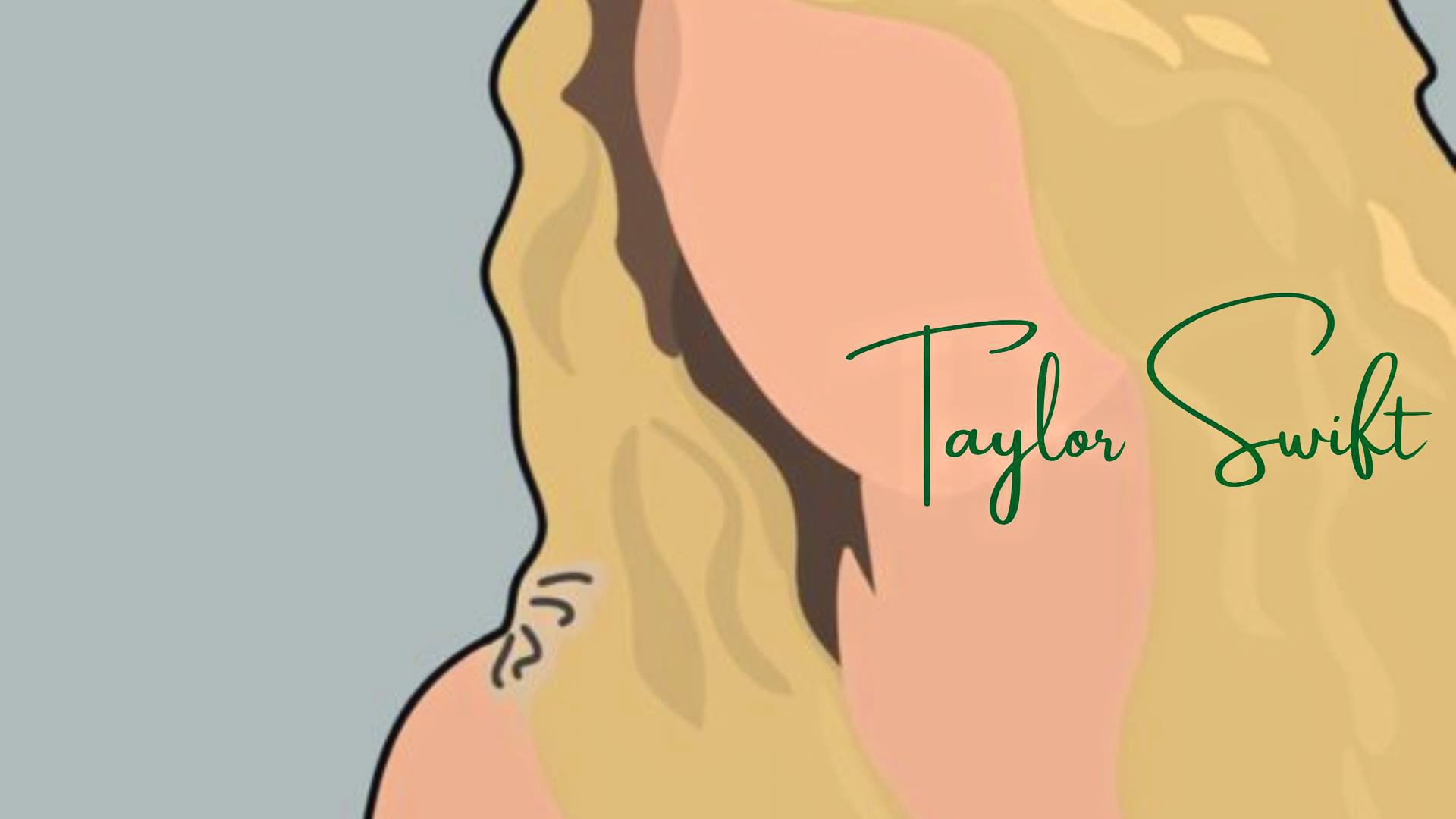
"I started writing songs; that was the reason why I got noticed,” Swift said in the same interview. At 13, she moved from Pennsylvania to Nashville and, within a year, bagged her first job as a songwriter for Sony ATV Publishing. Juggling homework with songwriting, the young singer wrote her first song, Tim McGraw, with Liz Rose for her self-titled debut album in 2006.
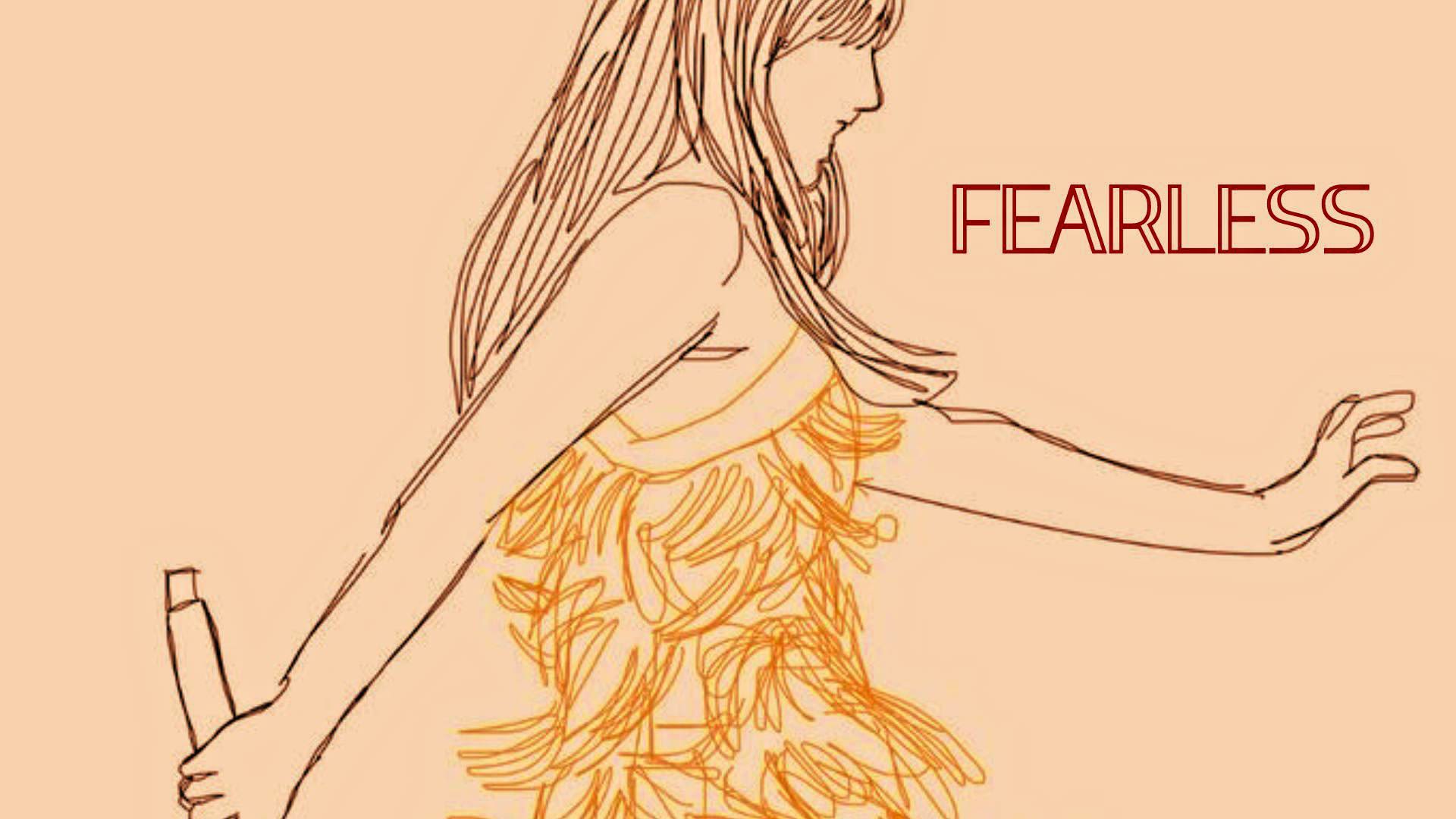
Swift’s sophomore album Fearless was released in 2008, with the lead single, Love Story peaking at number four on the Billboard Hot 100 chart and the second single, You Belong With Me, peaking at number two in the US. The album debuted at number one on the Billboard 200 and won her first-ever Album of the Year Grammy.
Time Out Social Media Editor, Jessica Phillips said: “As a long-time fan, I first heard Picture to Burn on YouTube when I was around 12 years old and saw her Fearless tour at Wembley Arena in 2009.”
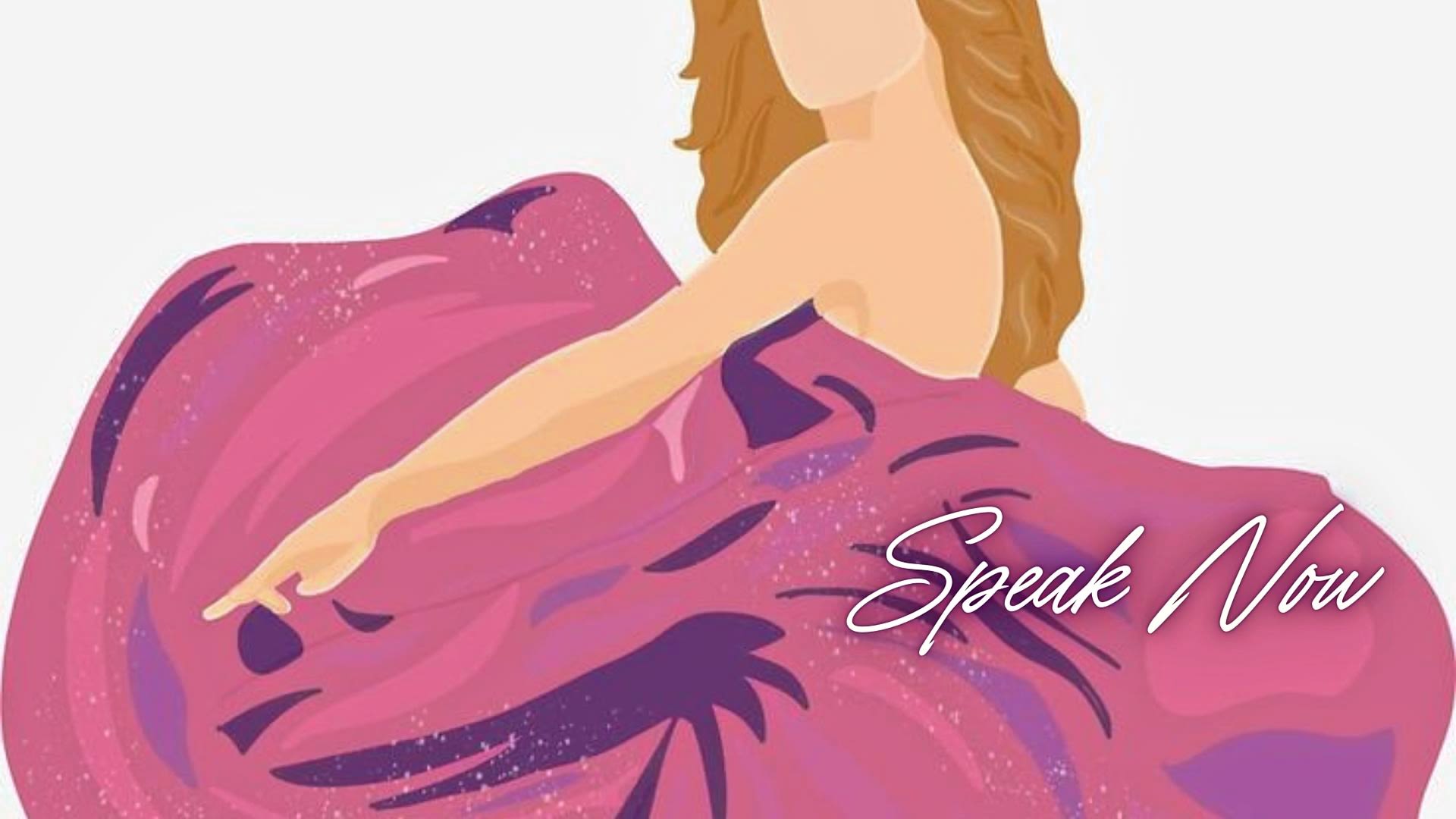
Even though Swift's first two albums garnered appreciation, there was criticism about her songwriting. Countering this, she released her third studio album, Speak Now (2010), writing and co-producing all 17 tracks herself. It debuted at number one on Billboard 200 and sold one million copies in its first week. This was a significant milestone in her career as a songwriter, showcasing her capacity to create deep and personal music. The album’s mix of country, pop, and rock influences and relatable lyrics appealed to a wide range of listeners; looking back, it might as well be the turning point of her career.
Georgia, a London-based Swiftie, said: “The thing that drew me to Taylor Swift’s music initially was her lyrics.” Another Swiftie, Khushi Kaushik, said: "I think Speak Now is my favourite album as it was the first album she wrote all by herself to show people who questioned her. After the VMA incident, it resonated with fans who stood by her on that journey."
A recollection of Swift's initial years in the industry would be incomplete without mentioning the incident at the Video Music Awards 2009, where Kanye West stormed the stage as the 19-year-old was accepting her award for Best Video by a Female Artist and said: “Imma let you finish, but Beyoncé had one of the best videos of all time! One of the best videos of all time!” This incident created a stir among the celebrities present at the show and Twitter-wide (now X).
Some celebrities showed support for Swift, while others showed support for West. Irrespective of who was supported, this incident made TayTay a household name. Recalling this, the singer said: “In a certain way, I only had the luxury of getting to process that moment years later and understand it.”

Bridging genres
From country roots to pop heights
"I think a lot of Swifties relate more to one style/era than another, whether it’s her early country albums or experimentations with indie and folk," Jessica Phillips said while talking about Swift's ability to evolve her musical style and how it impacted her career. She added: "I fell in love with Fearless and didn’t feel as connected to 1989, which is considered her big mainstream breakthrough album."
Swift’s subsequent albums after Speak Now were heavy on pop numbers. Her fourth studio album, Red (2012), was heavily inspired by the colour of love and heartbreak. She has recounted that Red was a chronicle of her “tumultuous, crazy adventures in love and loss.” In an interview with Rolling Stone, Swift said: "It was sort of a metaphor for how messy a real breakup is, and this is my only true breakup album."
Red debuted at number one on the Billboard 200. The album began her journey into mainstream pop with a more electronic sound in singles like We Are Never Ever Getting Back Together (Swift wrote with Max Martin and Shellback), which became her first number-one single in the US.
Associate Professor and Chair of Popular Music Toby Koenigsberg and Associate Professor of Music Theory Drew Nobile of the University of Oregon said: "While pop in nature, Red still incorporated banjo instrumentation, and Swift maintained her country twang."
In her blog reviewing the album Red, a fan, Emma-Jane Barlow, said: "I have to admit the lyrics for this particular track (We Are Never Ever Getting Back Together) are not Taylor’s lyrical best, but I believe that her aim for this track was to make a statement that her music is changing."
Indian Express journalist Sameeksha Mishra said: "I believe the Red era remains the most impactful for me as it's a coming-of-age story that's both fun and profound." In a way, Red stepped further away from the country genre, moving closer to the album that solidified Swift as the pop queen she is today.
In 2014, Swift announced her fifth studio album, 1989, on livestream at the top of New York's Empire State Building while performing the album’s first single, Shake It Off, a pure pop confection. It gave her the reinvention she sought after being in the industry for a decade. Time magazine wrote: "... for Swift, 1989 represented more than just a change of personal pace. The album changed her career - and the music industry - forever." Swift described 1989 as her "first documented, official pop album".
Vishakha Chauhan said: "The era of 1989 had a significant impact. It symbolized her shift from country to pop music, with chart-topping hits such as Shake It Off and Blank Space. Fans loved this era; it highlighted her versatility and artistic growth."
Time Out Features Editor Chiara Wilkinson said: "Taylor's adaptability is a significant factor for her sustained popularity. She goes through different genres and is not pigeonholed into one particular thing, which has helped her create that brand for herself."
Swift’s switch to pop did bring in new fans, but it opened the door to criticisms from some of her older fans who had followed her since her country music days. There were opinions that she was abandoning her roots and succumbing to commercial pressures. One Reddit user said: "This album was the reason I stopped listening to her. I hated that she went from country to a really generic pop. She's lost some of her identity because of it." A Swiftie said: "She's lost it because she was known as a country singer. It was a big part of her identity."
The 1989 era for TayTay was not only about a change in her music but also about vocalising and taking stances on matters like the threat of streaming services, among others. She wrote an op-ed in the Wall Street Journal expressing solid opinions regarding the depreciation of music, particularly addressing the issue of inadequate compensation from streaming services. Following this, she removed her discography from Spotify before the release of her 1989 album, signalling her continued discontent.
Swift in an interview with Time magazine said: "I think there should be an inherent value placed on art. Everybody’s complaining about how music sales are shrinking, but nobody’s changing the way they’re doing things. They keep running towards streaming, which is, for the most part, what has been shrinking the numbers of paid album sales."
It was a recipe for disaster if her album was not a success. But 1989 was a massive hit. With 10 Grammy nominations, it clinched Album of the Year and two other statues. The album dominated the Billboard charts and maintained a top 10 position for an entire year, selling 1.3 million copies in debut week, setting a record she still holds and marking a pinnacle for the decade.

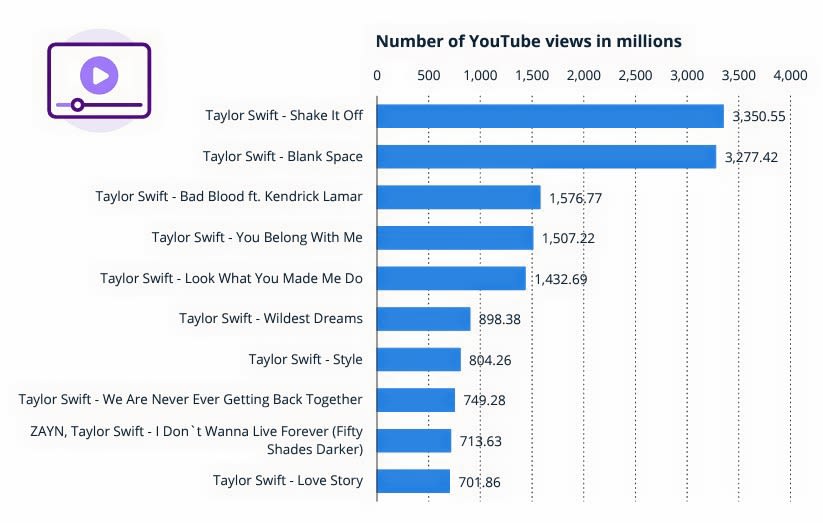
Worldwide; based on Taylor Swift’s official YouTube channel; as of October 17, 2023 ; Credits: Statista
Worldwide; based on Taylor Swift’s official YouTube channel; as of October 17, 2023 ; Credits: Statista
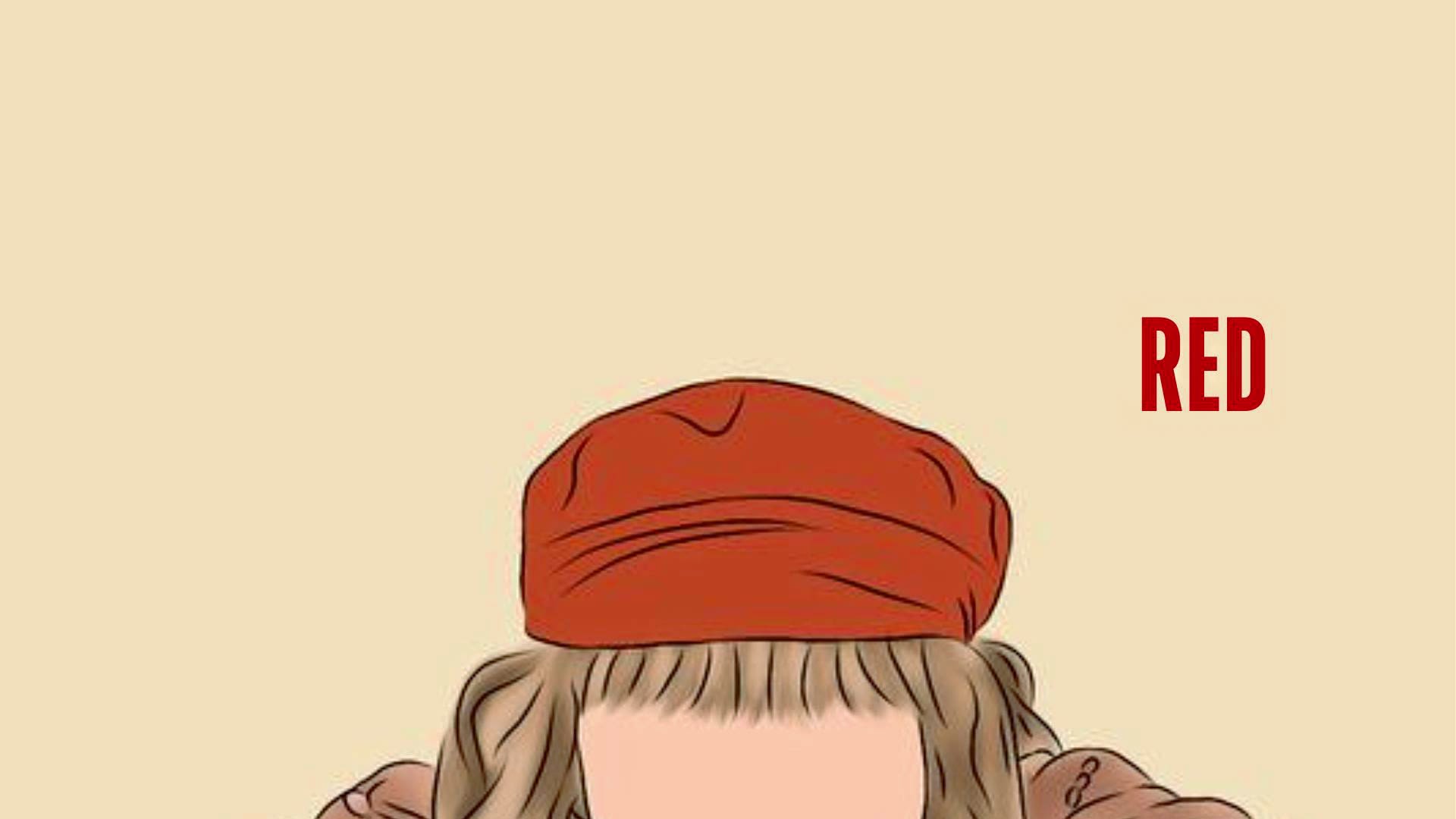

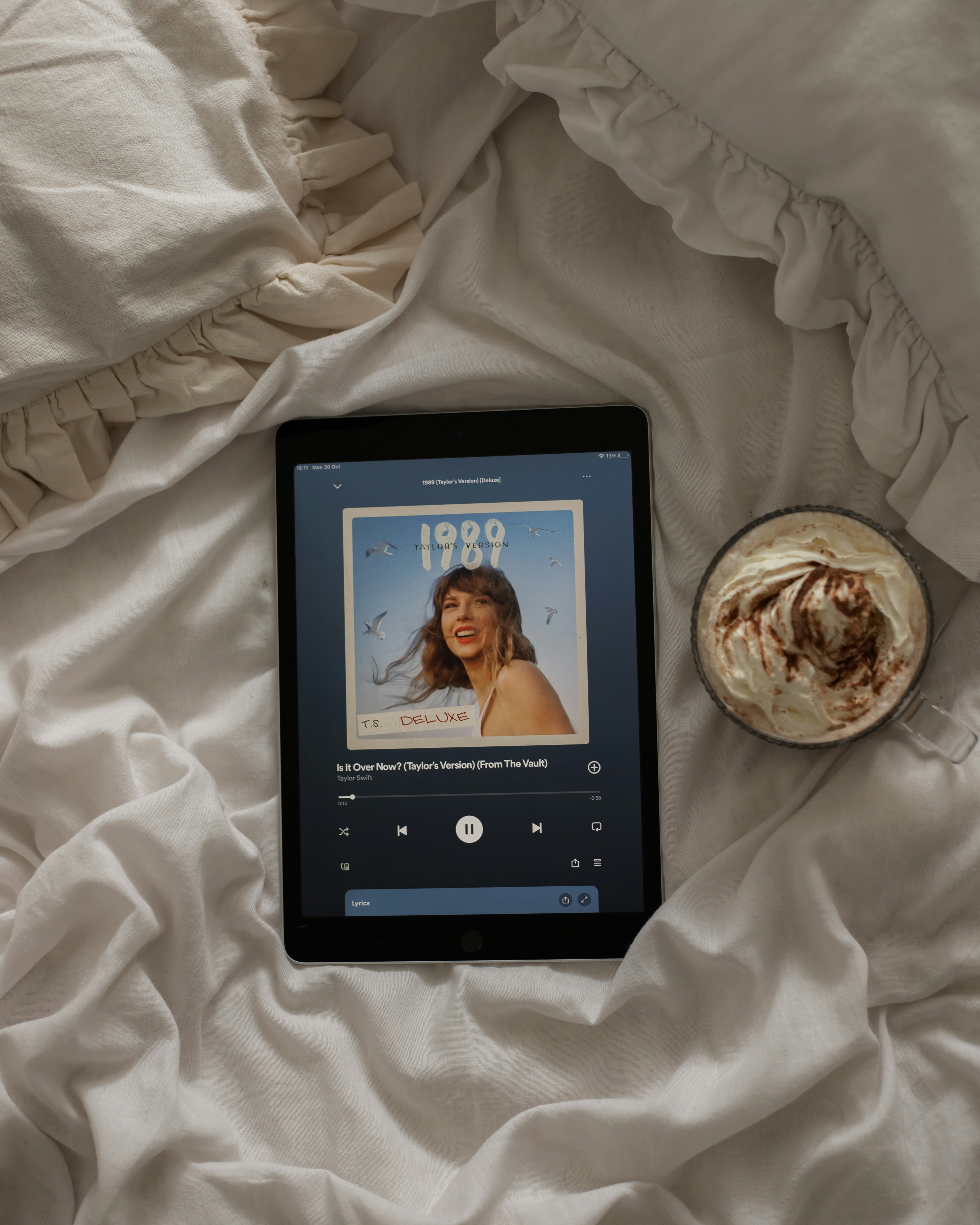


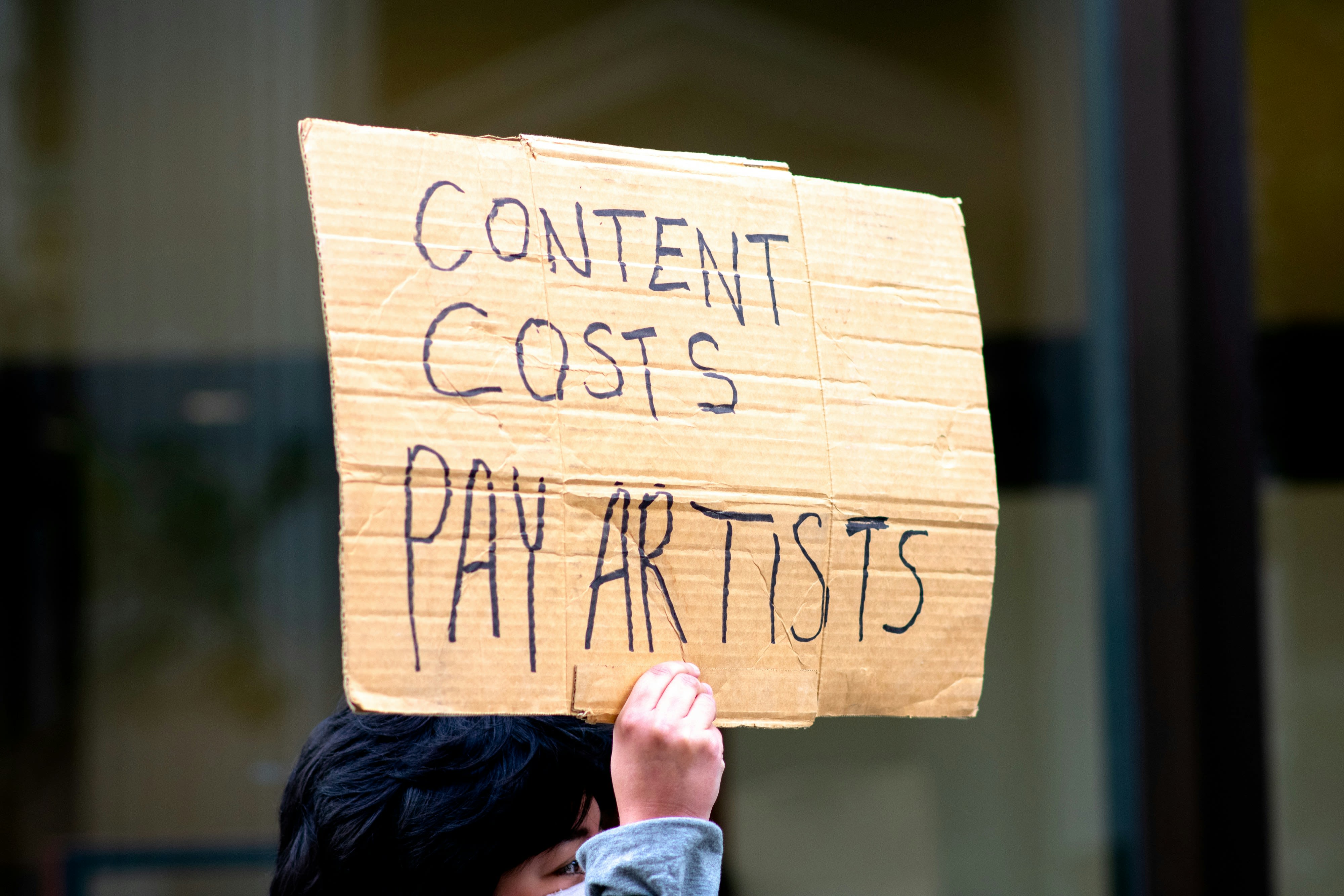

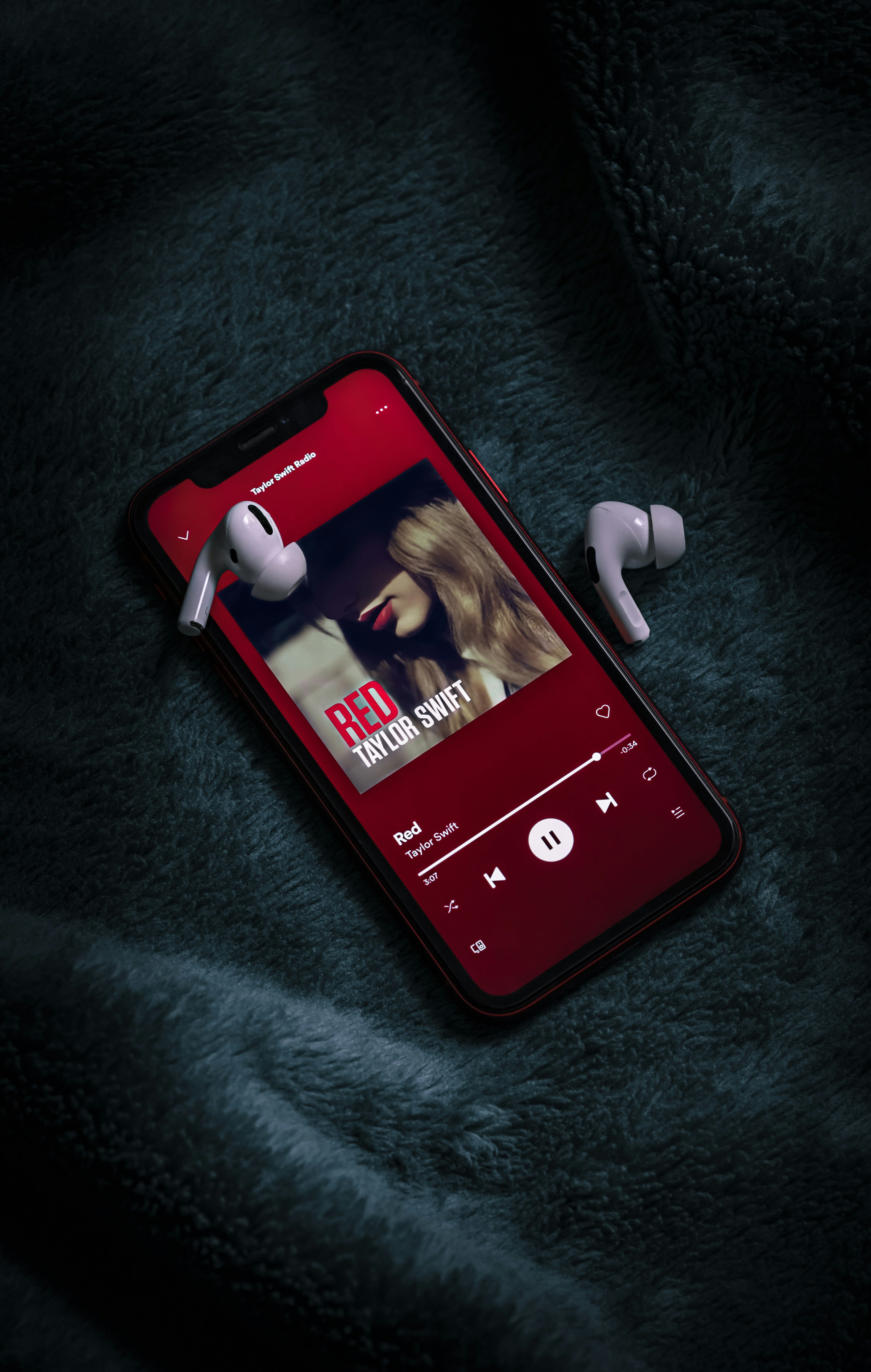
Credits: Omid Armin on Unsplash
Credits: Omid Armin on Unsplash

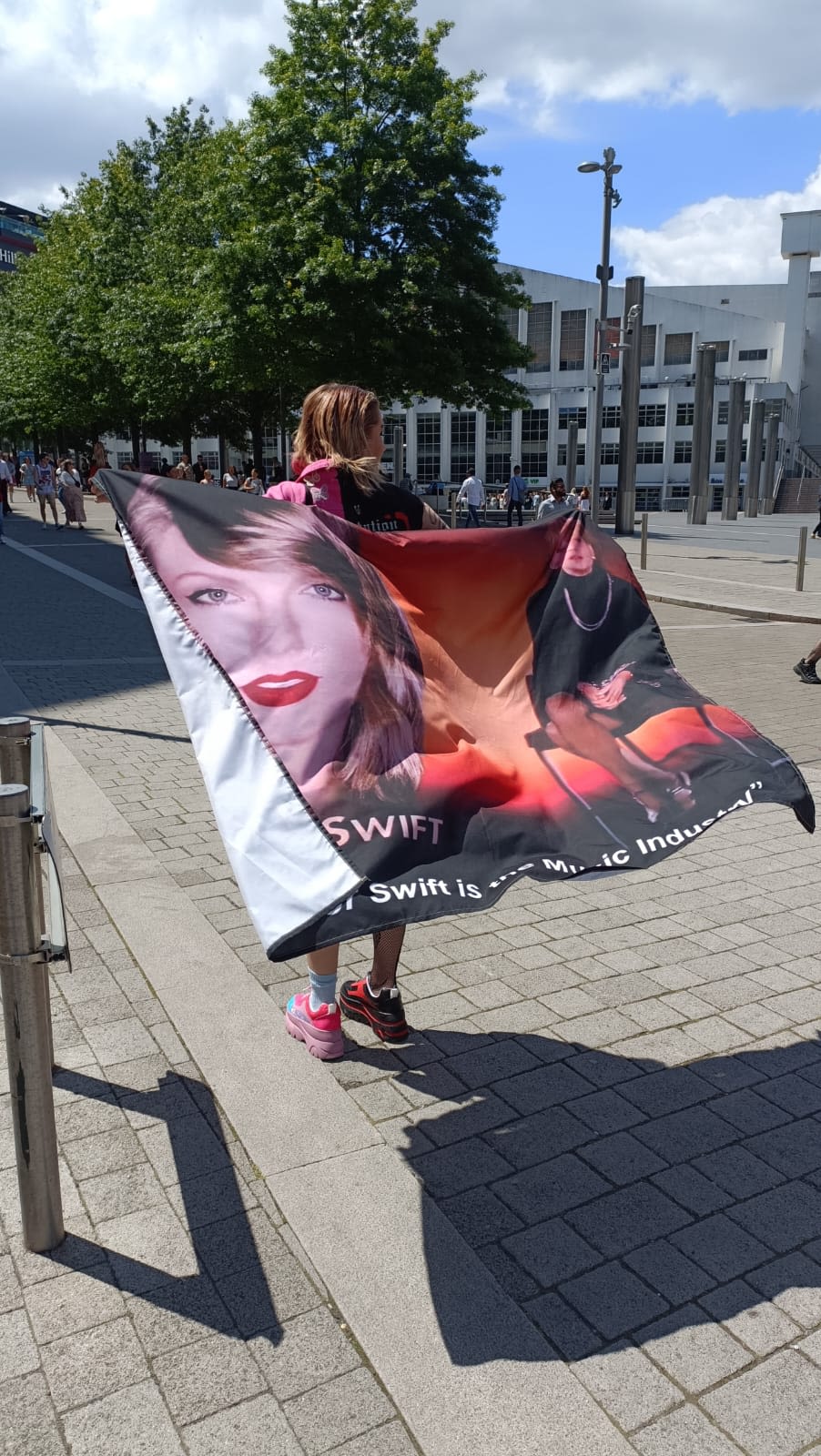
Swiftie at Eras Tour in Wembley Stadium ; Credits: Angira Sen
Swiftie at Eras Tour in Wembley Stadium ; Credits: Angira Sen
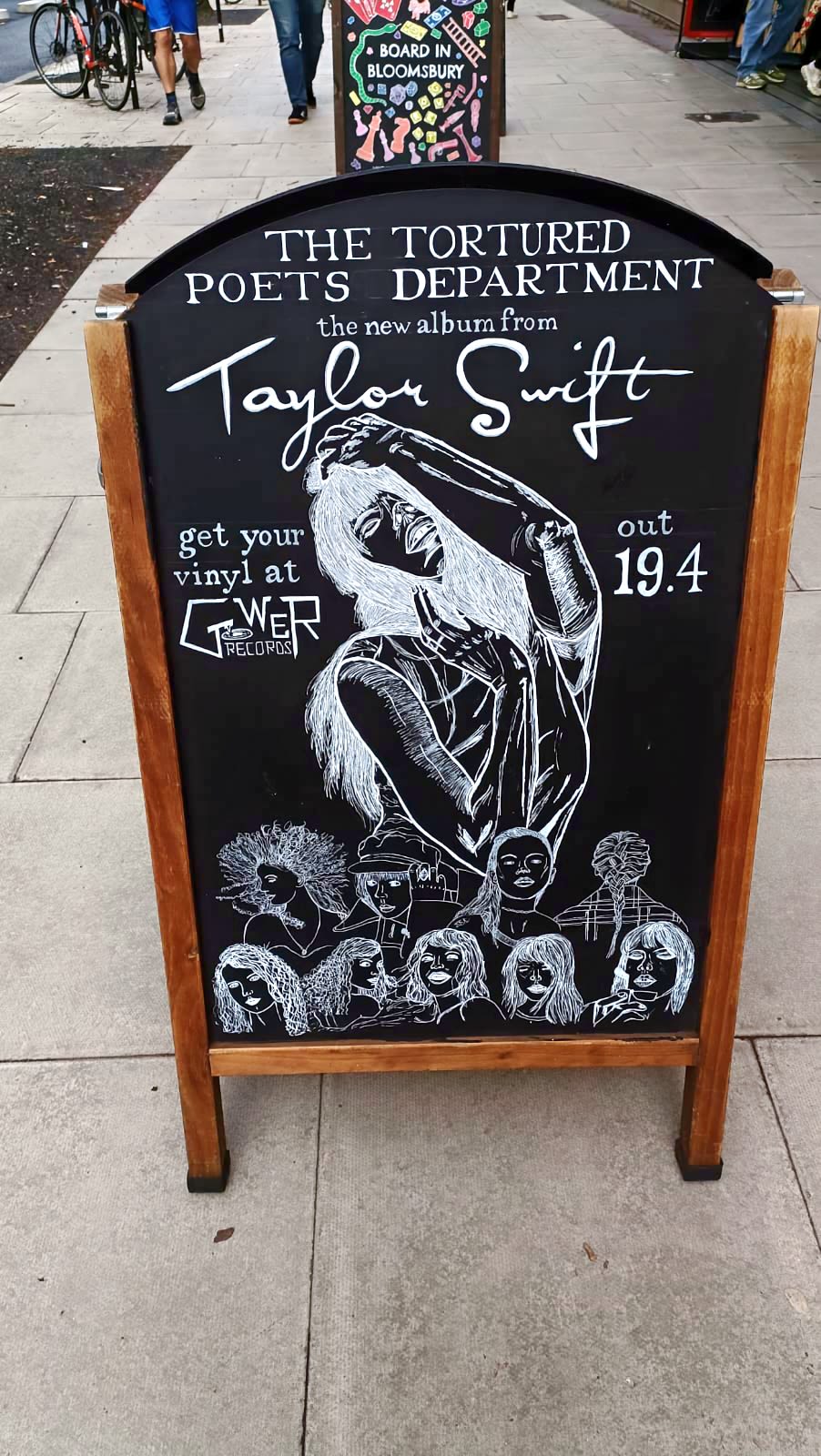
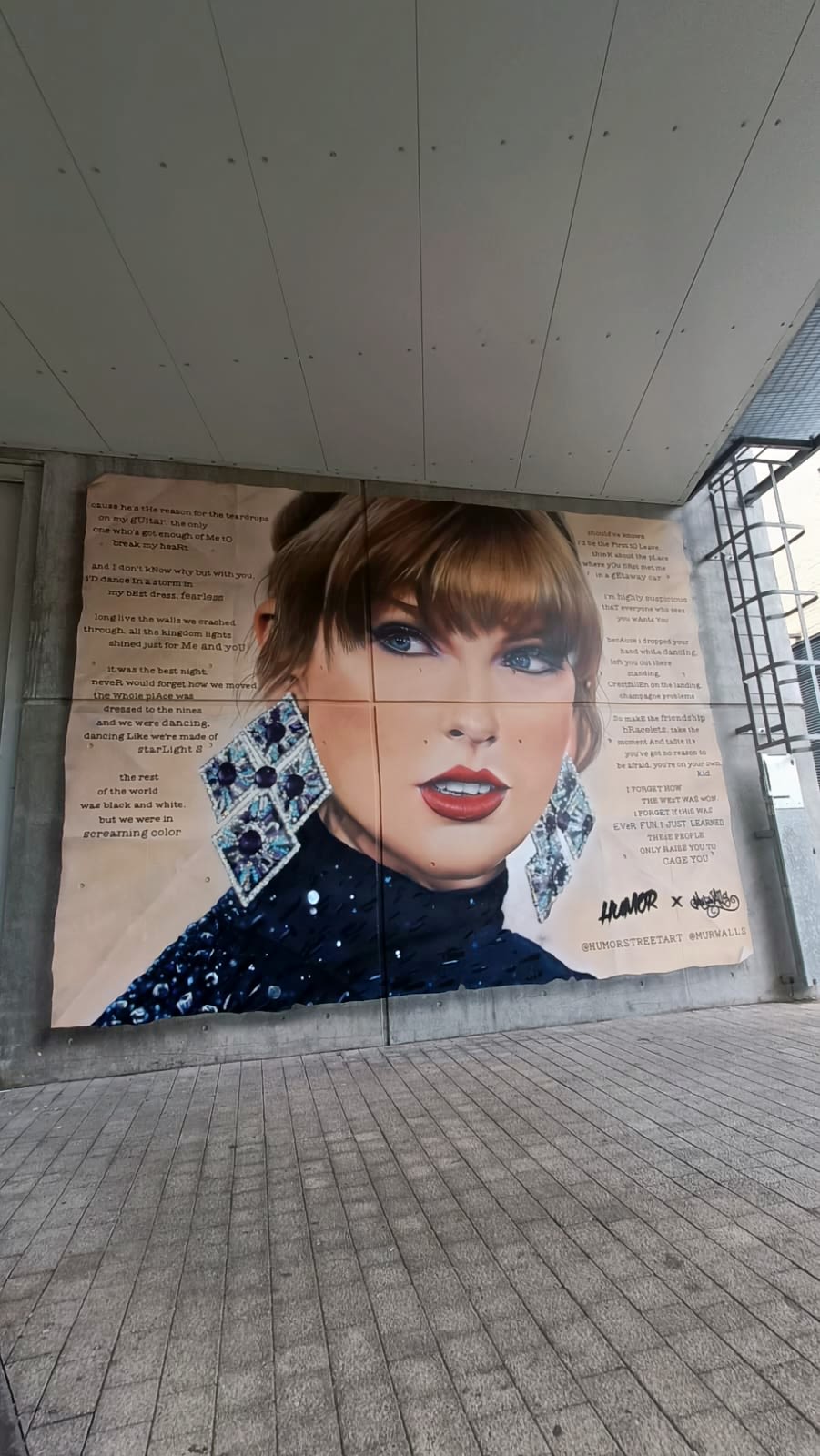
TTPD poster outside Waterstones ; Credits: Angira Sen
TTPD poster outside Waterstones ; Credits: Angira Sen

Credits: Jaypee Pena via Unsplash
Credits: Jaypee Pena via Unsplash

Taylor Swift merch in Camden Market ; Credits: Angira Sen
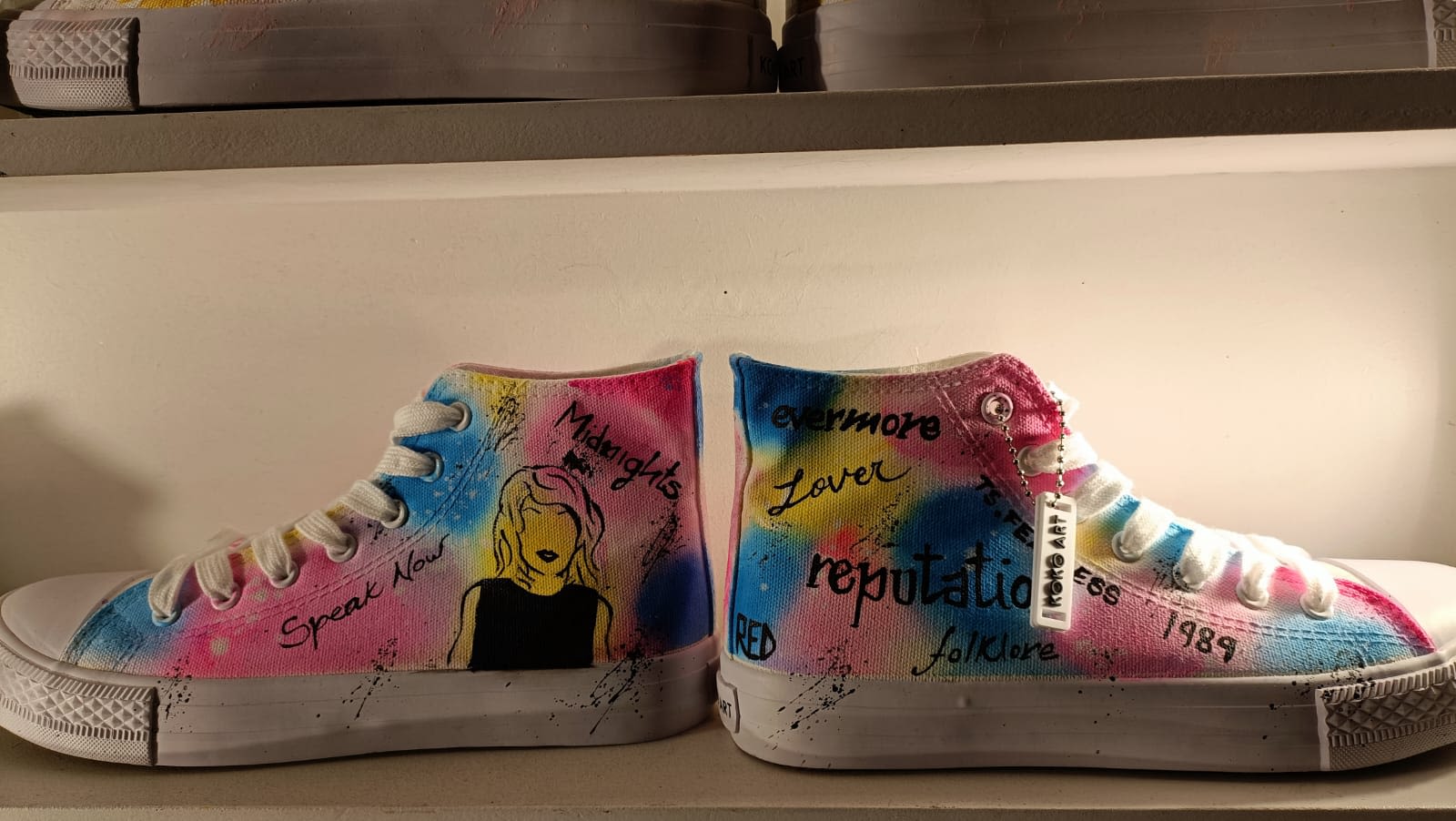
Taylor Swift merch in Camden Market ; Credits: Angira Sen

Easter Eggs in Bejeweled video ; Credits: Instagram
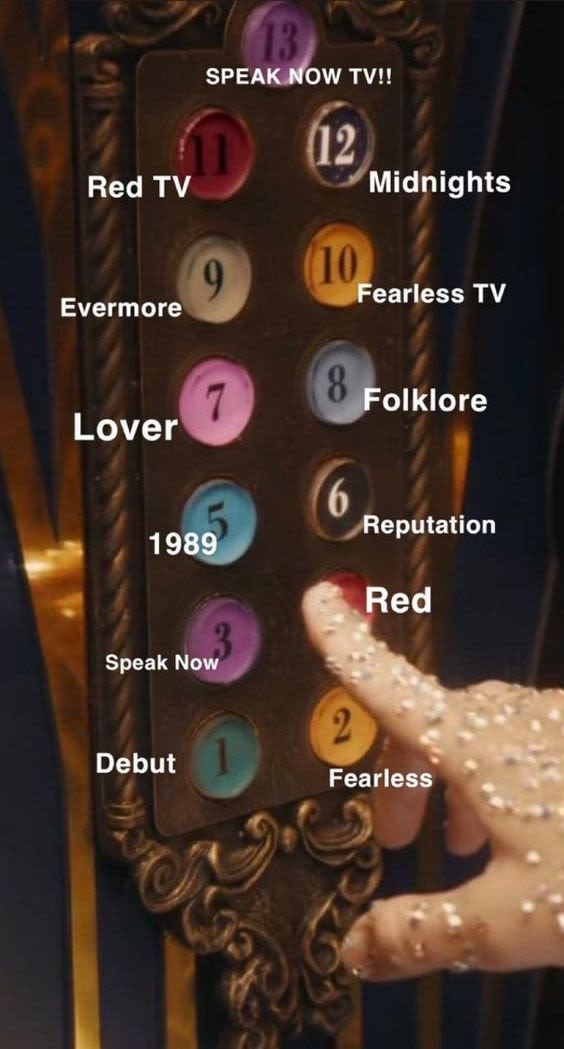
Easter Eggs in Bejeweled video ; Credits: Instagram
Taylor Swift pins in Camden Market ; Credits: Angira Sen
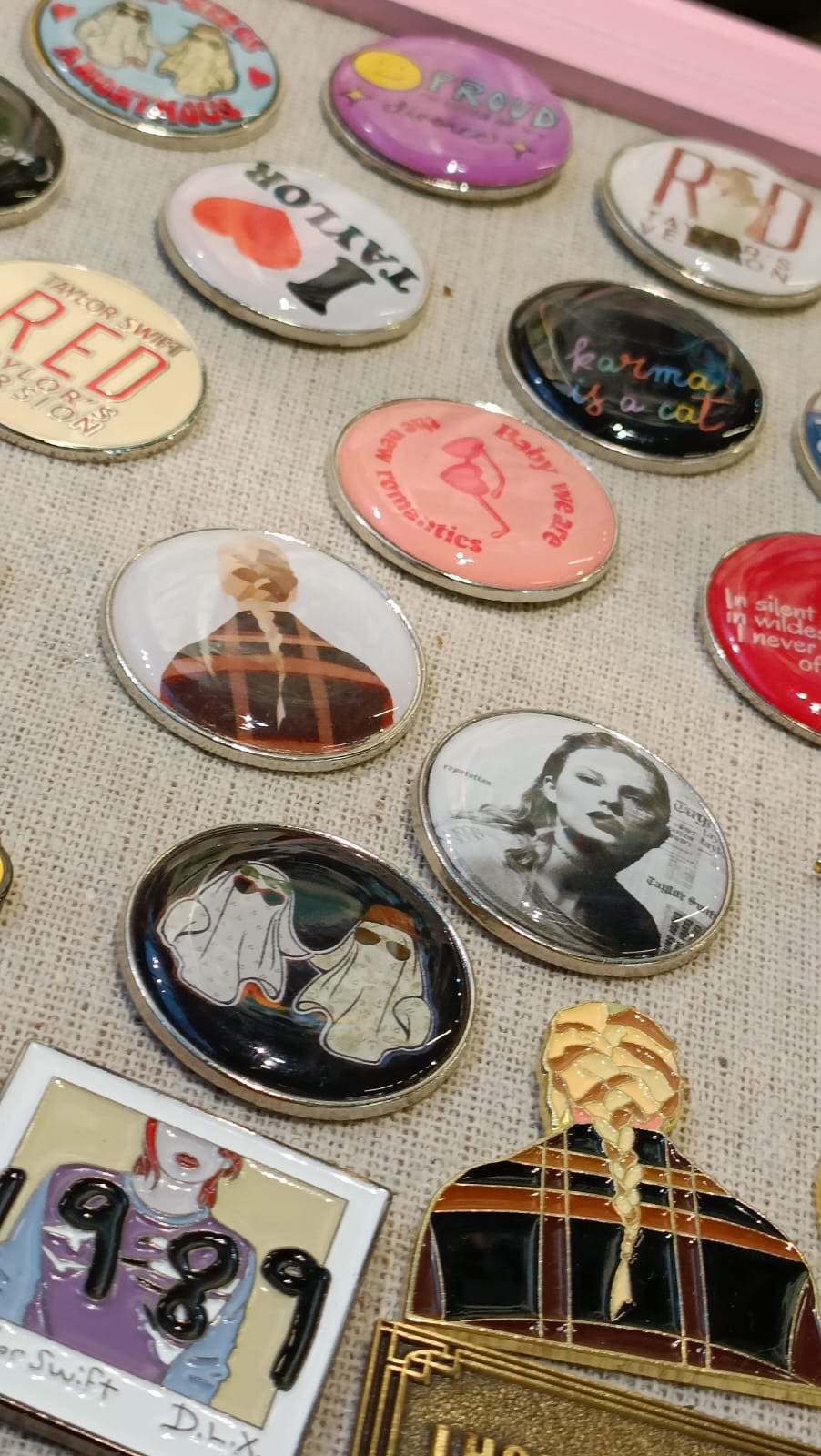
Taylor Swift pins in Camden Market ; Credits: Angira Sen

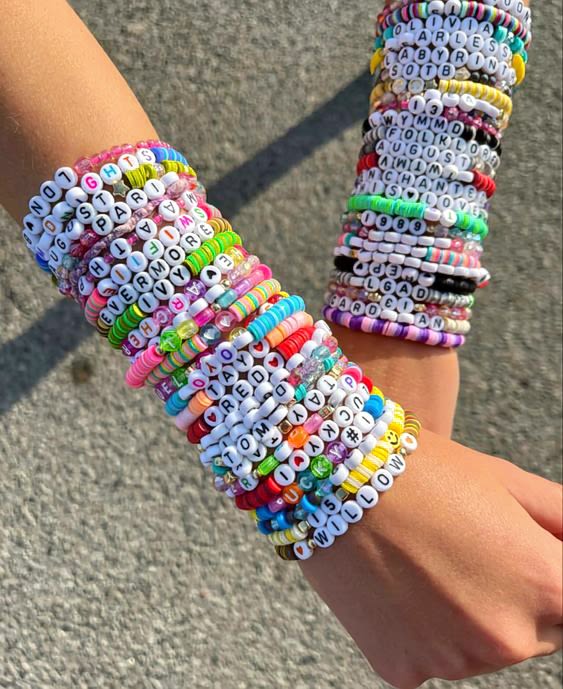
Friendship bracelets at Eras Tour ; Credits: Angira Sen
Friendship bracelets at Eras Tour ; Credits: Angira Sen

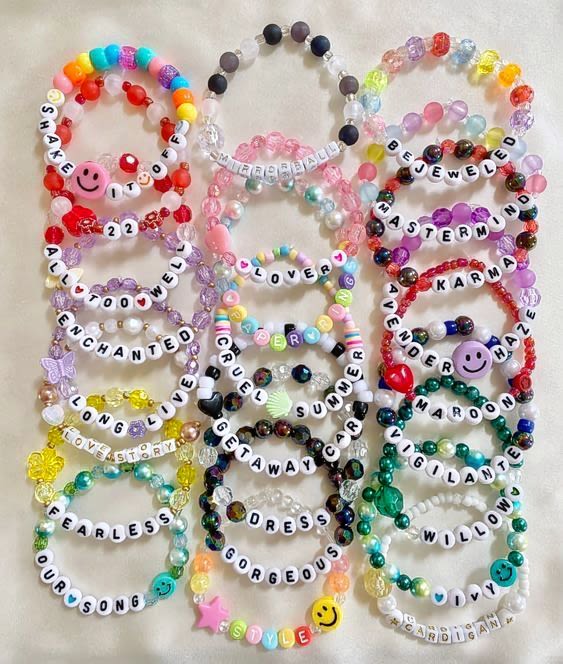
Friendship bracelets ; Credits: Pinterest
Friendship bracelets ; Credits: Pinterest
Crafting the brand
Songwriting authenticity and personal branding
In an era where celebrity culture is omnipresent, and the music industry is saturated with transient trends, Taylor Swift's branding strategies are marked with a sense of solving a puzzle. The modern world idolizes celebrities, with legions of fans obsessing over them. And the pop star is no different. The New Yorker noted: "The singer-songwriter is not creating standalone albums but, rather, a musical franchise: the Swiftverse."
Swift has established a consistent brand by weaving captivating stories, shaping each album into a chapter of her narrative. She managed to transition from country to pop with little to no scarcity of loyal fans before adopting a darker and more challenging image in Reputation, 2017. In the aftermath of the Kanye West saga and being away from the media for a year, this was the Grammy winner’s comeback album, with lots of snakes and a tagline that said it all: “There will be no explanation, there will just be reputation.”

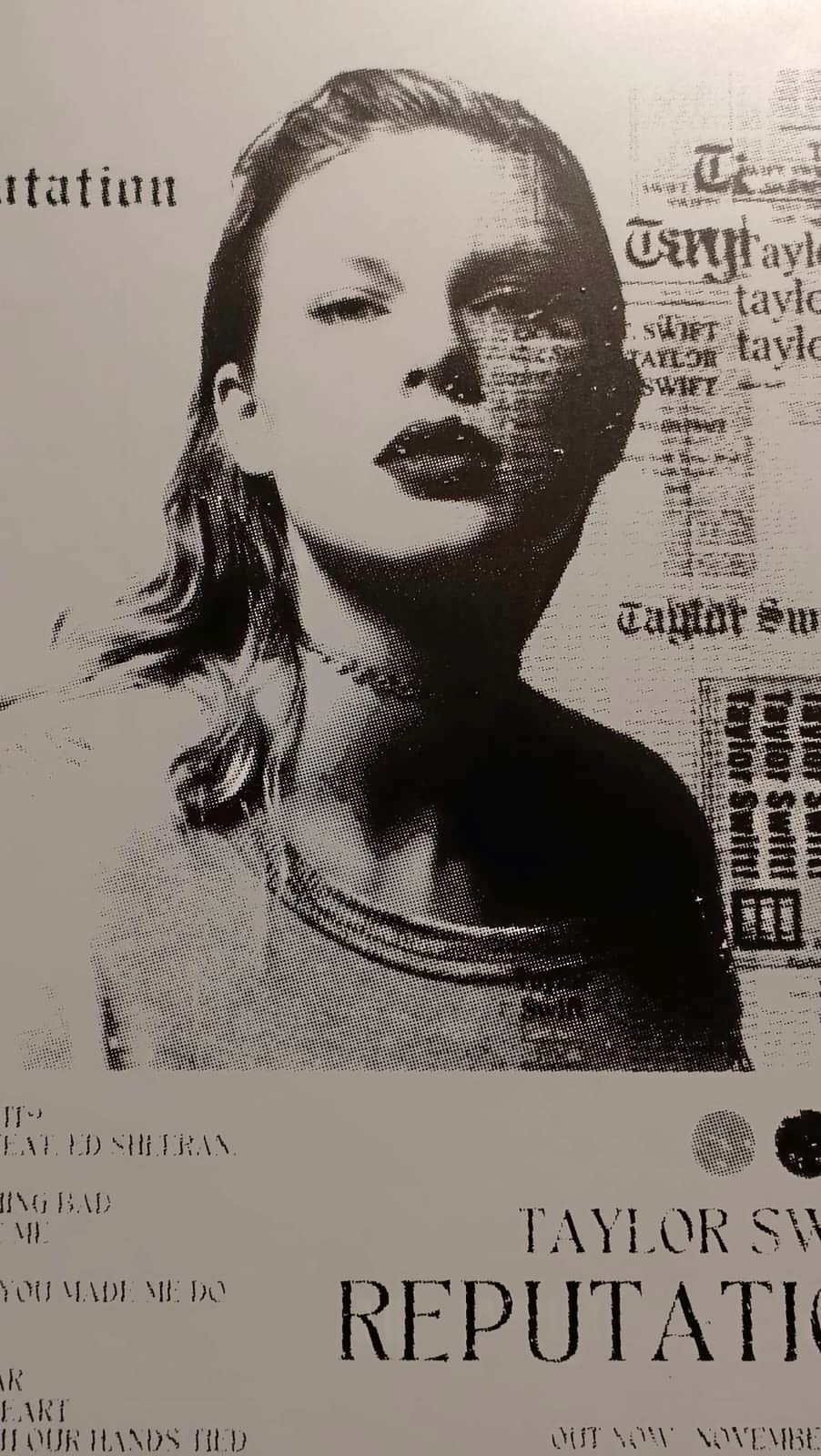
Reputation ; Credits: Angira Sen
Reputation ; Credits: Angira Sen
Dusha Castro, a Swiftie, said: "Her first albums were all about teenage experiences like young love and heartbreak. Her songs started tackling more complex themes like self-discovery and personal growth as she and her fans got older." A Reddit user said: "I think Taylor's lyrics can appear simple, especially to people with little knowledge of Taylor compared to other lyrical styles where the meaning of the lyrics or what a song is about isn't as apparent as, say Bon Iver."
While presenting Swift with the Artist of the Decade Award at the 2019 American Music Awards, Carol King said: "She is one of the only modern pop artists whose name appears as the sole songwriter in her song credits. Her lyrics resonate across all generations, her songs touch everyone and her impact around the world is extraordinary."
The Harvard Gazette asked some Harvard and Berklee College of Music faculty to assess the songwriting capabilities of the US singer. Stephanie Burt said: "She has a terrific ear in terms of how words fit together. She has a sense both of writing songs that convey a feeling that can make you imagine this is the songwriter’s own feelings, like in We Are Never Ever Getting Back Together, and a way of telling stories and creating characters."
But all said and done, not everyone is a fan of Swift's songwriting. In an interview in 2018 with NME, when asked about Swift, Quincy Jones gave a “somewhere between disapproval and disdain” expression and said: "We need more songs, man. Fucking songs, not hooks.”
The singer has received widespread criticism for her songwriting and lyricism. After the release of TTPD, NME, in its review, wrote: "Above all else in her career, Swift has always found acclaim through her lyricism, and comparisons have gleefully been made between herself and The Bard (William Shakespeare). It’s surprising, then, that The Tortured Poets Department delivers some of her most cringe-inducing lines yet."
A writer for Paste Magazine wrote such a scathing criticism that they had to remove their byline from the article. It said: "Between producer Jack Antonoff’s atrocious backing instrumentals and the Y2K-era, teen dramedy echo chamber of a vocal harmony provided by out-of-place guest performer Post Malone, Fortnight chokes on the vomit of its own opaqueness. ‘I took the miracle move-on drug, the effects were temporary,’ Swift muses, and it sounds like satire. This is your songwriter of the century? Open the schools.”
The New York Times, in their review, said: "As the album goes on, Swift’s lyricism starts to feel unrestrained, imprecise and unnecessarily verbose."
Time Out Social Media Editor, Jessica Phillips also pointed out: “There has been a recent backlash against TTPD, with many fans saying it was too self-indulgent and score-settling rather than a body of work that was wholly relatable. Jack Antanoff’s continued involvement in her work is also divisive. Lots of fans hope for another entirely self-written album like ‘Speak Now’.”
However, there is no denying that the popstar's words are the sharpest tool in her arsenal. Through her lyrics, she explores themes of love, personal challenges, and fictional stories and establishes a deeper connection with her audience, nurturing a feeling of identification and belonging. She has used her lyrics and storytelling tactics to capture the hearts of the Millennials who practically grew up alongside her and Generation Z, primarily through TikTok (#SwiftTok).
Swift also has an inherent knack for understanding and catering to her audience. She delves deeper into their preferences, habits, and desires, fostering a unique emotional connection beyond the typical artist-fan relationship.
In an interview with Graham Norton, she shared how she would observe her fans on Twitter (now X), Tumblr, or Instagram for "months and months" in the context of her 1989 Secret Sessions. She goes above and beyond mere interaction, offering exclusive experiences and enhancing the feeling of exclusivity and closeness within her community.
1989 Secret Sessions ; Credits: Taylor Swift via YouTube
A Swiftie said: "One of the main reasons she is what she is today, i.e. a global phenomenon, is her interaction through social media with her fans." This generates a continuous, proactive, two-way feedback loop, leveraging user-generated content - a connection that extends to even her song lyrics, where she implements an omnichannel strategy to engage with her fans across various touchpoints.
In an interview with BBC, Sir Paul McCartney said: "I was actually thinking about Taylor Swift and her relationship to her young fans and how it's sort of a sisterly thing," while talking about the song Who Cares, which addresses the brutality of internet bullying.
Interaction with fans is not something Swift cultivated later in her career. She has always used social media as a tool for her branding. She was one of the first music artists to use Myspace to promote her debut album. This was when social media was still relatively new and unknown to many as a tool for publicity.

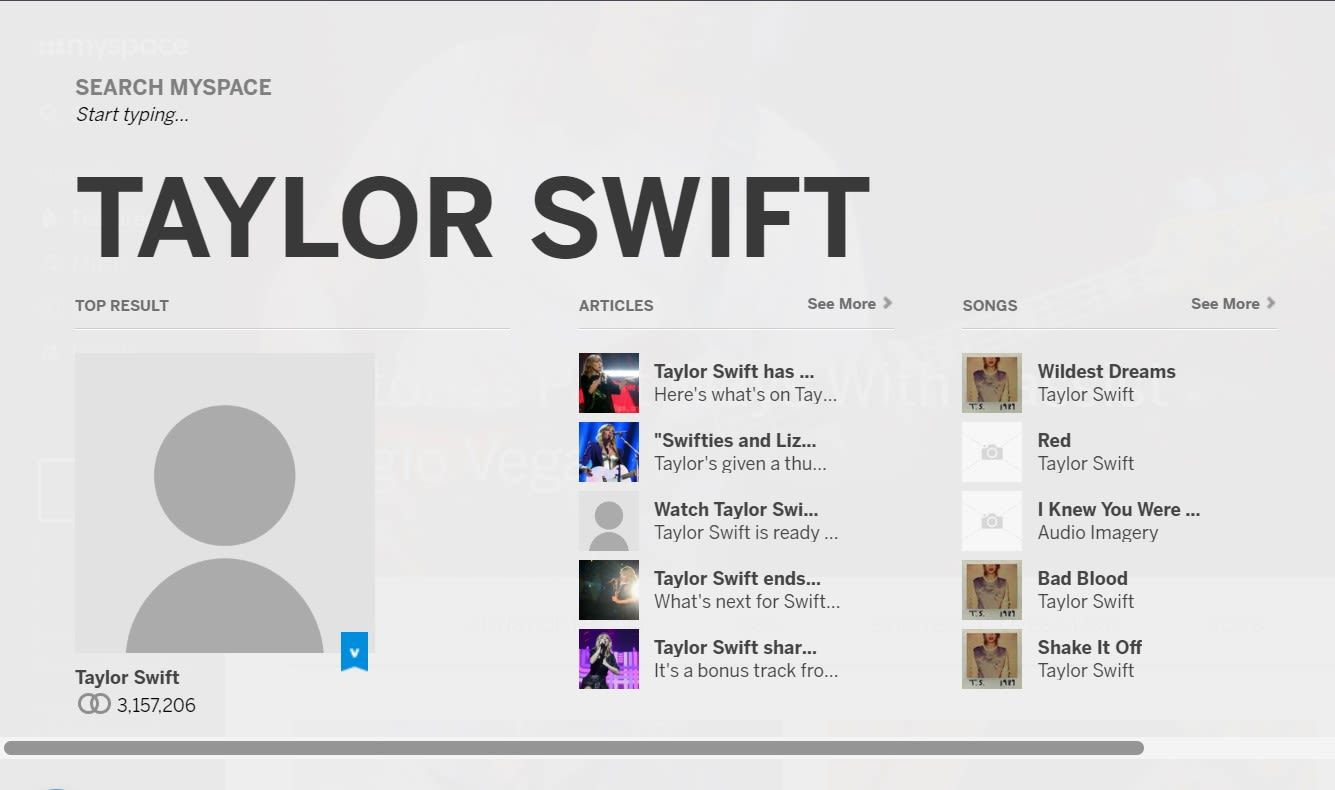
Taylor Swift on MySpace ; Credits: Myspace
Taylor Swift on MySpace ; Credits: Myspace
The young singer used to reach out to fans personally thanking them and letting them know when her album was coming out or asking if they would request the song on the radio. She leveraged these interactions to her benefit.
In an interview with Entertainment Weekly, RJ Curtis, country editor for Radio & Records, said: "The story that everyone is gonna tell with Taylor is her use of technology and viral marketing techniques—Myspace and texting—that are non-traditional for the country format."
In the same interview, Big Machine Records founder-president Scott Borchetta said: "People laughed at me. They said, 'You're starting a new record label, and you signed a 15-year-old female country singer - good for you!" He added: "I knew we didn't want to count on country radio out of the box. So we went heavy on TV, putting the video out before the single, and doing a special with [cable channel] GAC, and we went heavy on her Myspace and online stuff."
And Swifties never disappoint; their loyalty goes beyond merely remembering song lyrics - from making friendship bracelets, which she alluded to in her song, You're On Your Own Kid (“So make the friendship bracelets/take the moment and taste it”), to uncovering her easter eggs spread all over her discography.
Jessica Phillips said: "Her Easter Egg strategy is very clever, especially in the social media age where everyone can share their opinions and theories online. What started as a fun game in the leaflet of her CDs is now part of what keeps her relevant online across social media platforms like TikTok."
In the Swiftverse, Easter eggs are subtle references to past or upcoming albums that are hidden in plain sight. It can be a lyric alluding to a past event or word and phrases that links back to an old song. Using these, Swift creates an interactive experience and keeps her engagement high. These clues spark anticipation as fans search for the hidden meaning while eagerly awaiting the next breadcrumb in the Swiftian puzzle.
Easter Egg strategy ; Credits: Westminster World Instagram
By utilising techniques such as removing content from social media, incorporating hidden clues (Easter eggs) in music videos and social media posts, and surprising her followers at her concerts, like giving hats during her performance of the song 22 at the Eras Tour, Swift successfully builds anticipation and excitement around her releases. These keep her followers on edge, fuelling a frenzy before each new release.
Vishakha Chauhan said: "Her interaction with fans is crucial to her popularity. Taylor makes her fans feel seen and appreciated."
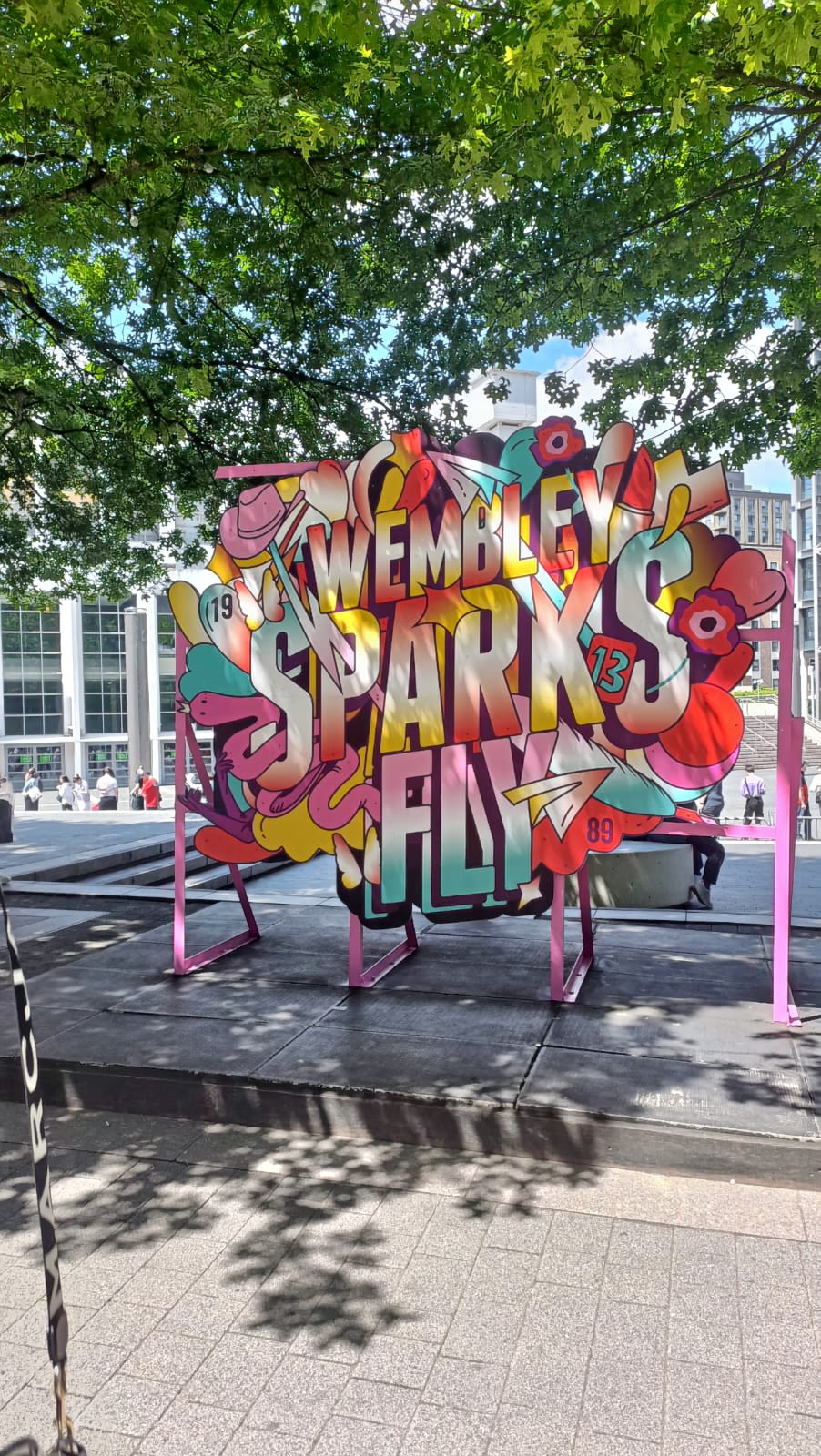
Eras Tour at Wembley Stadium ; Credits: Angira Sen
Eras Tour at Wembley Stadium ; Credits: Angira Sen
Ralph Jaccodine, assistant professor of music business/management, Berklee College of Music in The Harvard Gazette, said: "She’s imprinted her fans in such a way that they want everything about her. The day before a big stadium show, the T-shirt stand is open and there’s thousands of people in line. They hang on to every word of her social media posting, look at all the pictures. They share it; they talk about it; they have groups. That’s really hard to pull off."
Beyond music
Swift's business acumen
In October 2023, on the eve of the release of 1989 (Taylor's Version), amid a record-breaking tour and box office bonanza - the singer-songwriter officially joined the billionaire club. Forbes identified the popstar's worth as more than $1.1 billion. Much of this comes from the unforgettable summer, with an estimated $190 million earned after taxes from the first leg of the Eras tour and another $35 million from the first two weeks of Taylor Swift: The Eras Tour movie screenings. Altogether, more than $500 million of Swift’s fortune is cash earned from music royalties and touring, while another $500 million is based on the rising value of her music catalogue.

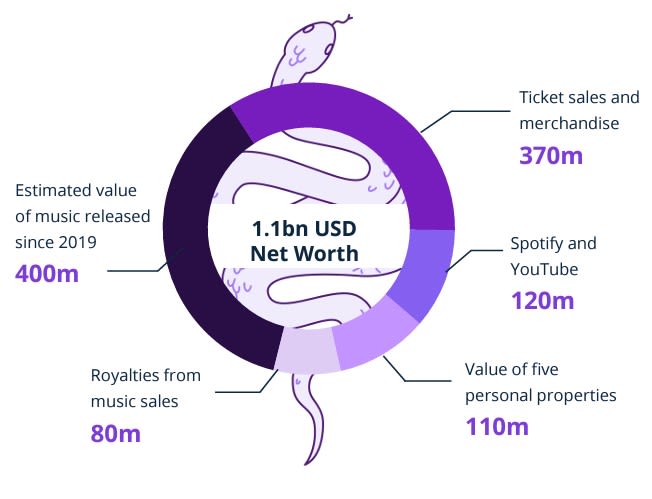
Breakdown of Taylor Swift’s net worth, by segment ; Credits: Statista
Breakdown of Taylor Swift’s net worth, by segment ; Credits: Statista
There’s more to the pop wonder than just her ability to churn out catchy tunes. In the highly competitive and constantly evolving music industry, Swift's dominance is not merely a product of her musical talent but also her astute business acumen. From navigating contract disputes, mastering social media, and diversifying her revenue streams, her business decisions reflect a keen understanding of market dynamics and brand management.
Success in the music industry isn’t merely about music; it’s about business, and “Taylor’s business skills are prodigious,” University of Oregon SOMD expert Koenigsberg said.
Whether you are a fan of the Shake It Off singer or not, there's no denying her business savvy side and tenacity have made her one of the most successful musicians ever. Swift meticulously crafts her public persona through a combination of authenticity and calculated publicity. She has cultivated a loyal following by sharing personal stories through her music and maintaining a close connection with her fanbase. Simultaneously, she uses social media to control her narrative, making strategic reveals and announcements that engage her audience.
Sreelakshmi Makaraju, a Swiftie, said: "If not for her skills and business acumen, I don’t think many of the things helping her succeed would happen."
One of Swift’s significant business decisions was to re-record her catalogue after her former label, Big Machine Records, was sold, along with the masters of her first six albums in 2019, to the company Ithaca Holdings, owned by Scooter Braun, which was eventually sold to Shamrock Capital for $300 million in 2020. Big Machine owned the masters of her first six albums, as is typical with many recording deals - which generates profits whenever the songs are streamed or purchased. Swift was vocal about her dismay, expressing how she didn't have the opportunity to own her work. She signed with Big Machine Records in 2005 as a newcomer. When the contract expired in 2018, she switched labels to Universal’s Republic Records. In her new contract, the singer made sure to secure ownership of her future masters.
Million on-demand audio streams via Statista ; Credits: Angira Sen via Canva
Million on-demand audio streams via Statista ; Credits: Angira Sen via Canva
Swift is not the first to do so, in fact, the Everly Brothers are considered as pioneers of this when they switched record labels in the 1960s. Frank Sinatra did it when he left Capitol Records and founded Reprise Records; he re-cut new versions of previous hits on the new label.
“Her decision to re-record the records plays into Swift’s image as a strong, independent woman determined not to let herself be a victim to the men who control the recording industry,” SOMD Senior Instructor and music industry author Larry Wayte noted.
Swift’s decision ignited a multitude of responses, leading the public to examine the behind-the-scenes corporate actions of the music industry. Artists have regularly expressed annoyance against their record label contracts; Andy Zax, a music producer specializing in historical and archival releases, said in an interview with NPR: “Artists have generally been disadvantaged by, certainly, historically by the contracts that they've signed. At various points, people have made moves to try to reclaim some territory."
In an interview with Graham Norton, Swift said: "This is something that I care about, but I don't expect other people to care about it. It's something very personal to me."
And the Swifties have shown immense support evident from the success of the new releases. Dusha Castro said: "Taylor paved the way for others to walk on. The vault tracks on Red were especially amazing, and the love for her older albums has reached new levels because of her re-records."
The All Too Well (10-minute version) (Taylor’s Version) has become an instant classic, making its way onto the Eras Tour setlist. Another example of her listening to her fans.
"As someone who writes poems and small songs myself, I would be heartbroken if someone else had the right to those pieces. Artists not owning their music is too prevalent, so her re-recording is not just her reclaiming her songs but also an inspiration to all artists," a Swiftie shared.
Despite being a decisive move, some critics argue this is just another way to make millions of dollars. Swift's decision to re-record her work enables her to present it as intended artistically and creates a profitable independent revenue stream.
A Reddit user said: "I anticipate the general conversation surrounding her will change. Between her billionaire status (there is no ethical billionaire), her outrageous carbon emissions and her no fucks given attitude around it, never standing up for what’s right unless it truly benefits her (true white feminism) etc. The list goes on. She’s a turbo capitalist through and through. There’s no denying it. She’s not even hiding it." Another user said: "If you look up turbo capitalist in the dictionary, it’s a pic of her on one of her private planes lying on a big pile of cash."
"She's a business woman cosplaying as a popstar!"
In a recent podcast episode on The Guardian, titled Pop Culture with Chanté Joseph, Elle Hunt, a Swift fan, discusses why Taylor Swift is not just a pop sensation but also a business icon. In answering how Swift will navigate between being a billionaire and staying relatable, Elle said: "The relatability side has fallen way off as she's gotten more famous, and she hasn't tried to lean on that too much."
In 2014, Swift, in a strategic economic move removed her music from all music streaming services for about three years due to a dispute over payment levels. This decision had two significant effects. Firstly, it prompted people to purchase her music downloads, which provided her with a higher payment rate. Additionally, it pressured streaming services to offer more favourable terms to content creators. This serves as an example of how the Fearless singer maximised her earning power. She returned to the streaming platforms after the massive success of 1989, selling more than 10 million copies.

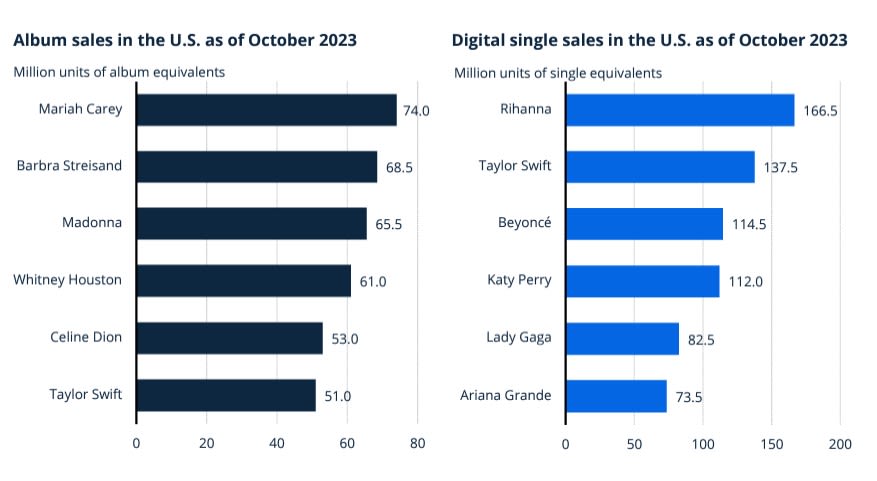
Album sales in the U.S. as of October 2023 & Digital single sales in the U.S. as of October 2023 ; Credits: Statista
Album sales in the U.S. as of October 2023 & Digital single sales in the U.S. as of October 2023 ; Credits: Statista
Another ‘Swift’ move that solidified her role as a capitalist is the mechanism she constructed to ensure that tickets for her tour go first to fans, not scalpers. She partnered with Ticketmaster before her Reputation tour and had fans sign up on her website to buy her merchandise for a higher ticket priority. The more merchandise purchased; the better chance fans had of securing concert tickets. In addition to the album, the singer also published two Reputation-themed zines, each featuring 16 pages of poetry, paintings, handwritten lyrics, and behind-the-scenes photography, available exclusively on Target. These corporate tie-ins gave the pop star a definite upper hand in her business.
These are only some of the moves that made "Swift- the billionaire", but there are many more. Think about the innumerable number of vinyl variants she comes out with the release of each of her albums. She released nine variants of vinyl of the Folklore album in 2020. According to The New York Times: "Last year she sold 3.5 million LPs in the United States, thanks in part to five pastel-hued variants of 1989 (Taylor’s Version)."
For her album Midnights, products included CDs and vinyl LPs with varying disc colours and cover art, editions with bonus tracks, autographed photos and edited lyrics, and a CD initially sold only at her live shows. Even the latest album was available in different versions - on vinyl, CD and even cassette - with bonus tracks and, on specific “deluxe” editions, it included trinkets like magnets, photo cards and engraved bookmarks.
A Swiftie attending the Eras Tour at Wembley said: "There are some things that are maybe a bit too much. Like the release of the CDs every second day." She added: "I don't have any more money to buy your things, Taylor."
A Reddit user commented on a discussion thread: "My problem is something like Midnights - multiple different physical copies with various song combinations. That’s gross and highly predatory." Another user pointed out the environmental angle of producing multiple LPs: "I'm not sure if anyone is considering this as well, but vinyl is non-recyclable. It's not just that she’s pressing all these variants; there are so many that thousands of LPs will be pressed & never played or sold. She’s pressing all these at an unprecedented rate but is not considering how bad it is for the environment to sell 8+ variants that she didn’t have to release."
And while we’re on the subject of environmental concerns, Swift’s use of private jets and the high carbon emissions, got much media attention when she flew across the world, travelling from Tokyo, where she was performing the Eras Tour, to Las Vegas to see her boyfriend Travis Kelce play in the Superbowl. She also made headlines for suing a Florida college student, Jack Sweeney, who was famous for tracking Elon Musk’s jet locations. According to the Washington Post, Swift's attorneys threatened legal action with a cease-and-desist letter in December: "Swift would 'have no choice but to pursue any and all legal remedies’ if he did not stop his 'stalking and harassing behaviour'." Sweeney told the Post that he figured it was "an attempt to scare him away from sharing public data".
Credits: ABC News on YouTube
"Taylor is the fiercest businesswoman. Men have been doing it forever, and now she is taking space—monetising love and emotions which women feel the best. Women have more emotional intelligence, and Tay is selling that."
Taylor Swift via Tumblr
Credits: Angira Sen via TikTok

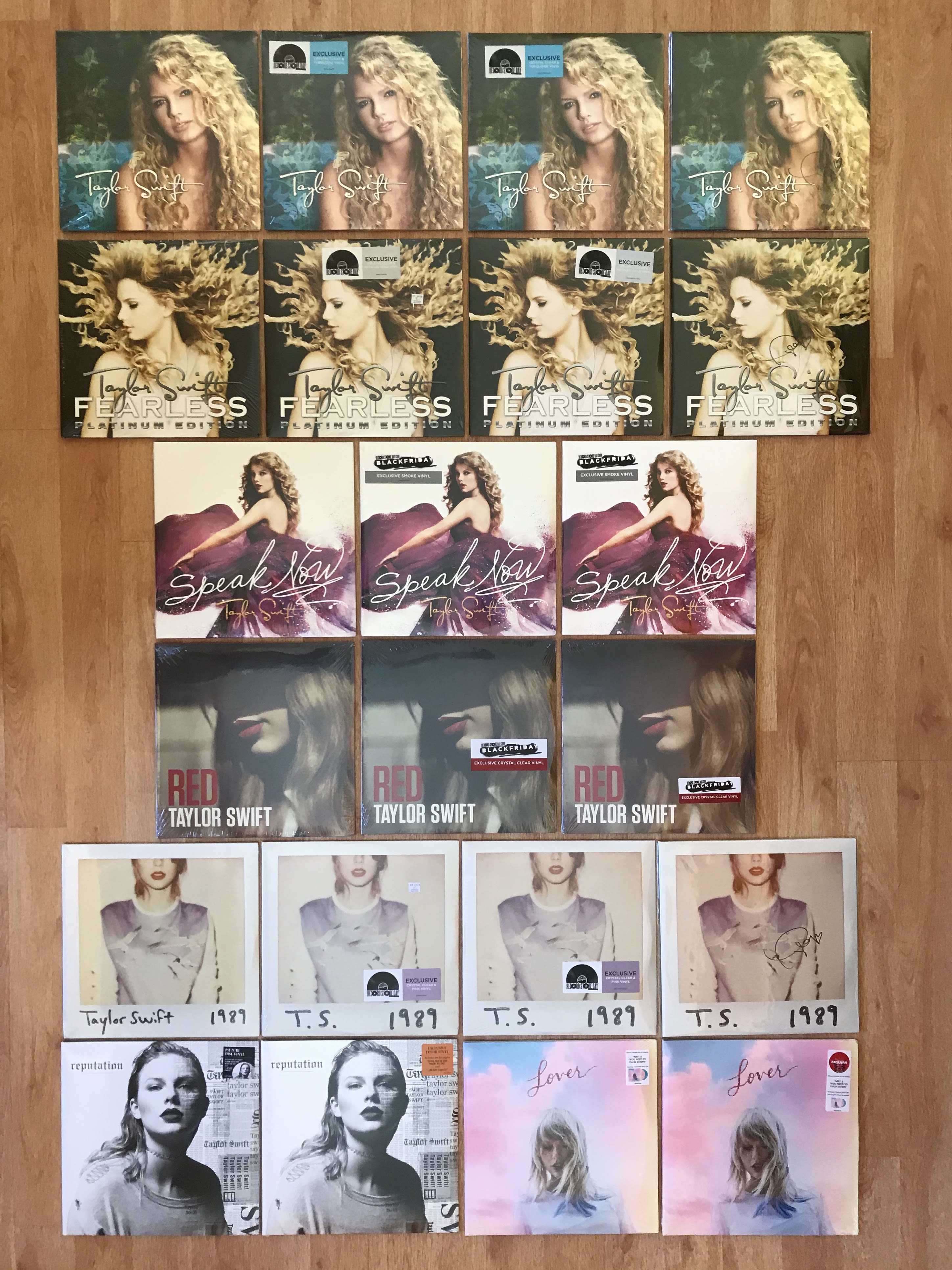
Credits: tay13tayswift13 collector via Flickr
Credits: tay13tayswift13 collector via Flickr
"She's just a corporation in human form. Ultra Capitalist up there with Disney and Apple, etc. It's all about clenching every last penny."

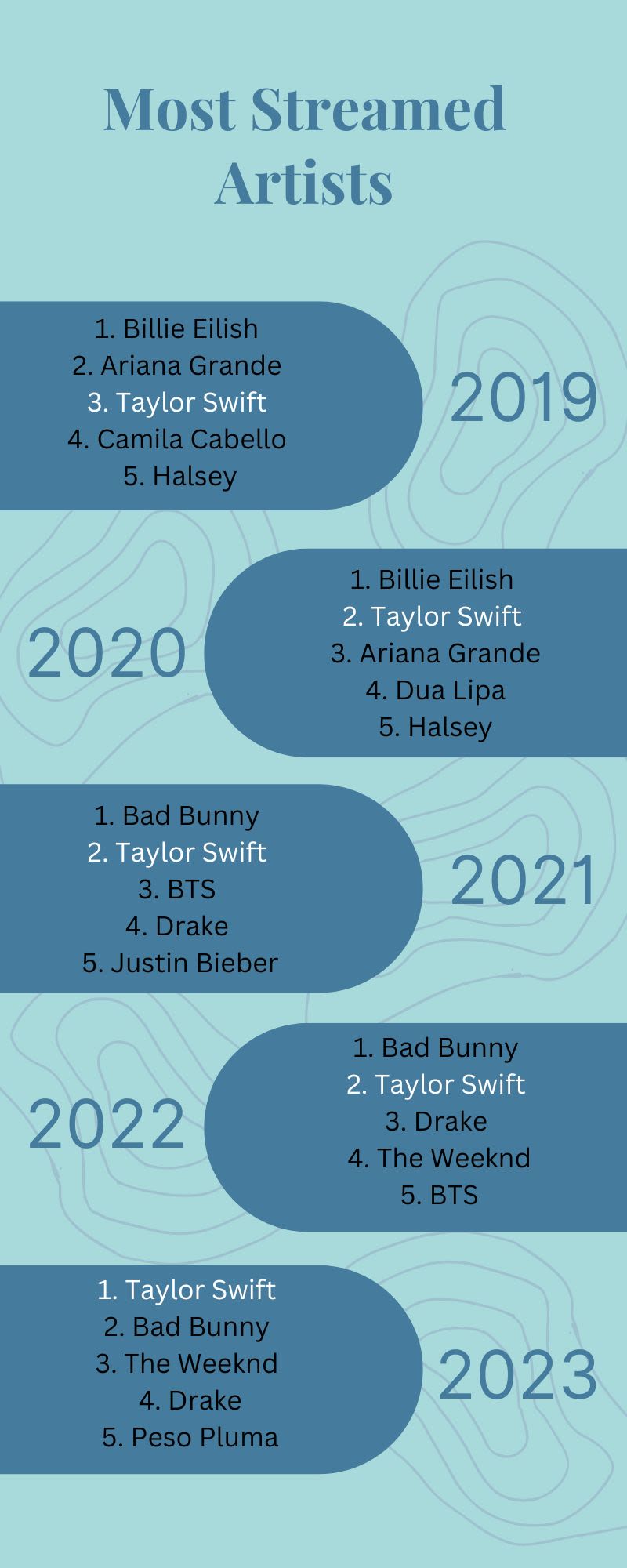
Most streamed artists via Statista ; Credits: Angira Sen
Most streamed artists via Statista ; Credits: Angira Sen
Inescapable Taylor
Is T Swift possibly entering her “overexposed” era?
In the digital age, where the lines between personal and public personas blur, Swift’s omnipresence on social media, traditional media, and physical tours has become a double-edged sword. Currently, it's challenging to engage in any online or offline activity without encountering a mention of Swift, or a reference to Swift. This widespread presence is beginning to feel burdensome. Some Swifties even confess that they are fatigued by the omnipresence of Swift's name in every aspect of their lives.
The pop supernova might be posting less frequently, however, millions of fans have a social media personality based on the singer. From dissecting her music videos to decoding Easter eggs, these accounts post content about the pop star daily. These frequent posts, updates, and interactions keep her in the spotlight, but this omnipresence is leading to audience fatigue. The deluge of content, coupled with the intensive coverage by traditional media with articles and programmes dedicated to her, saturates public perception. Additionally, her extensive Eras Tour, which spans 152 shows across 54 cities worldwide, has amplified her physical presence and intensified overexposure.
Media organisations are appointing journalists like Gannett's Bryan West to report on all things Swift. The Victoria and Albert Museum has appointed four British "Swifties" or superfans to be the institution's inaugural Taylor Swift advisors. A Guardian journalist, Chris Wiegand, wrote an article titled: "Taylor Swift is everywhere! Could I avoid her and her music for the whole month of May?" to examine if it's possible to steer clear of the world’s biggest pop star.

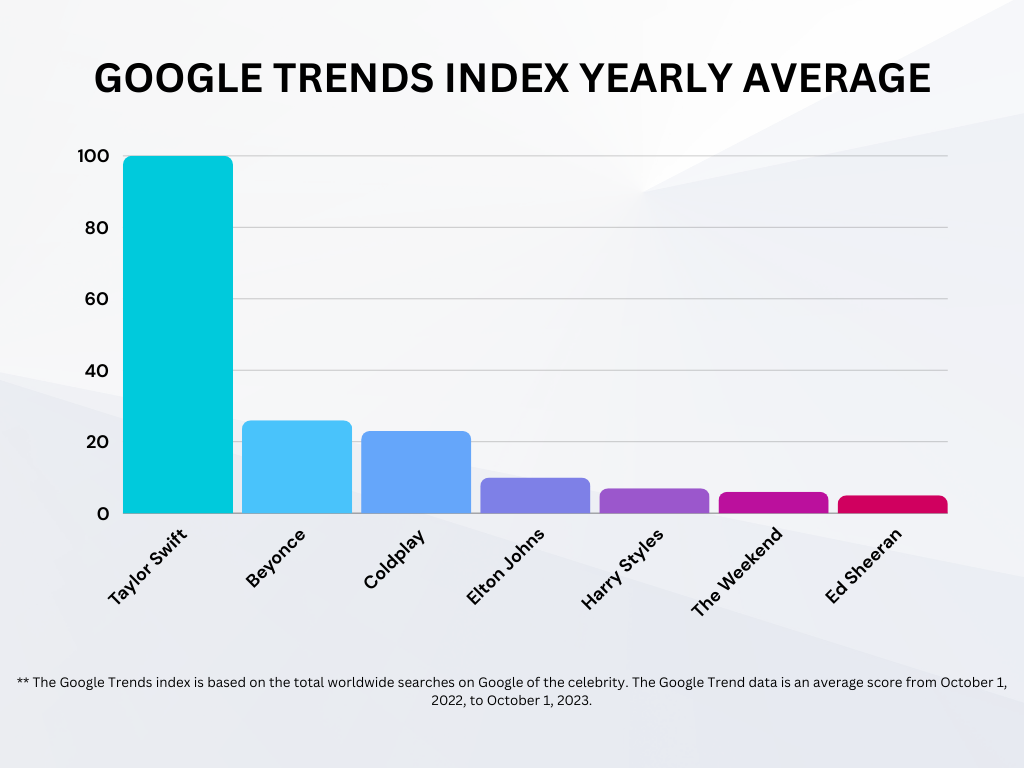
Google Trends index yearly average via Statista ; Credits: Angira Sen via Canva
Google Trends index yearly average via Statista ; Credits: Angira Sen via Canva
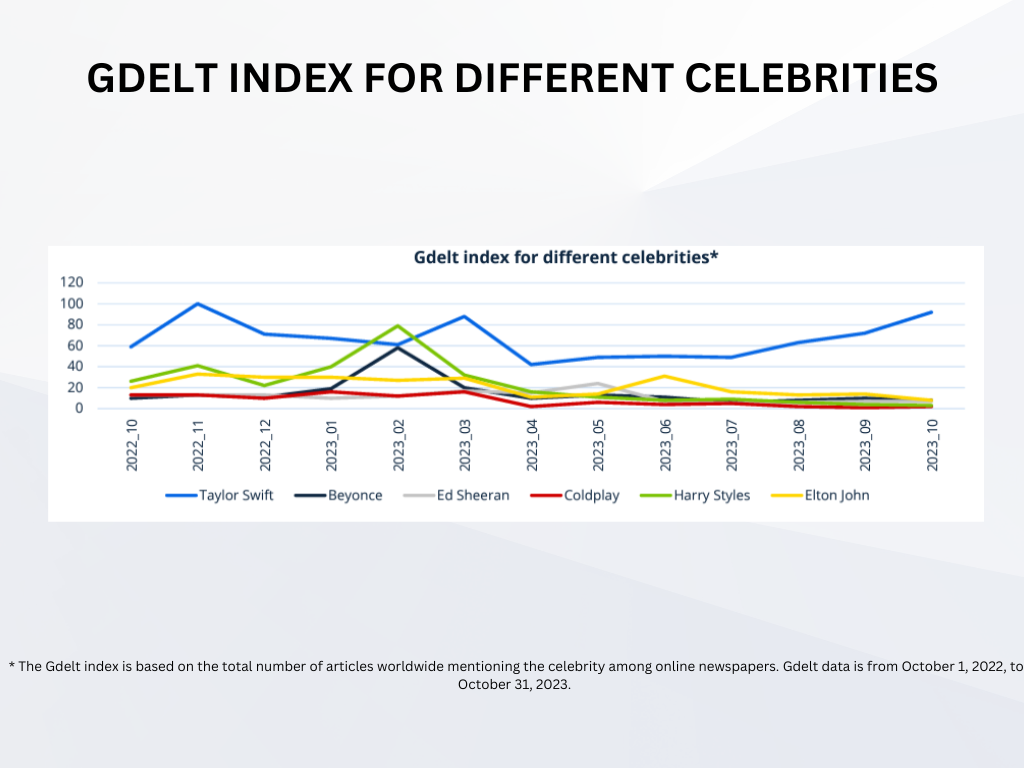
Gdelt index for different celebrities via Statista ; Credits: Angira Sen via Canva
Gdelt index for different celebrities via Statista ; Credits: Angira Sen via Canva
However, the issue is that sometimes the stories don’t even tangentially involve Swift. She is the most well-known woman on the planet, and it has become a common practice for content creators to integrate Swift into narratives, even when she is not the primary focus.
"I wonder how long this sort of Taylor-mania will last. How much do we want to see her? How relevant will a billionaire, thin, white woman be to everyone? She is only going to get richer. Are people going to realise that maybe she is not so relevant or a turbo-capitalist in some ways?"
In this context, Dusha Castro, a fan, said: "I am disappointed that so much of the media coverage is so unimportant. I am unable to love her as a person as ferociously as other Swifties do because she should be giving back a lot more."
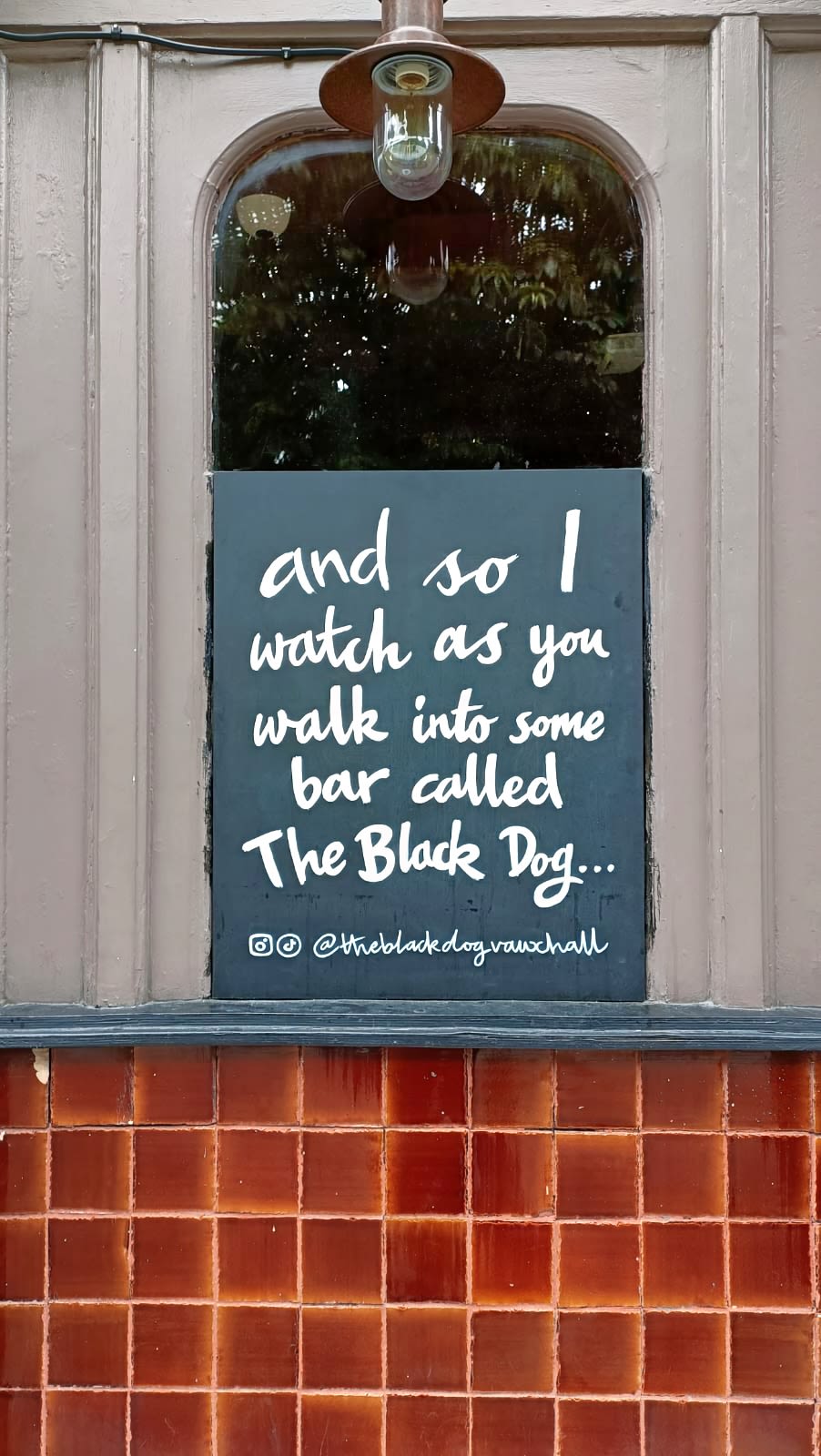
The Black Dog pub in Vauxhall, South London, recently saw a surge in customers, Swifties specifically. Karma singer name-dropped the pub in her recent album, Swifties from all over the world are flocking down to the pub. So, I went down to the name-checked pub to ask Swifties and locals alike about the impact of T Swift on the place. A local pubgoer said: “I have been coming to the Black Dog since 2008, and I have never seen it this busy on a Thursday afternoon at 3. It’s insane. I’m seeing people taking selfies outside; it’s quite weird. Normally, it’s this busy on a Saturday night.”

The Black Dog in Vauxhall ; Credits: Angira Sen
The Black Dog in Vauxhall ; Credits: Angira Sen
A US Swiftie, while enjoying a pint, said: “Even as a Swiftie, I think it is getting highly oversaturated and overwhelming.”
In her latest article, The Guardian freelance journalist Elle Hunt pointed out that the staggering size of the Eras tour has made her feel alienated. She wrote: "This year I have felt not so much a Swiftie as a conscript, roped into some broader project of streaming, spending and posting so as to cement and grow her cultural dominance – though it’s hard to imagine who, now, could possibly dislodge her."
Today, the cultural landscape is more fragmented, with conversations primarily driven by users on platforms like TikTok, Reddit, and X. The fandoms emerging from these social media channels are isolated and diverse, with algorithms that mainly show users content they are already inclined to enjoy. This is the era of everyone being a cult star. And Swifties are a cult in the truest sense of the term.

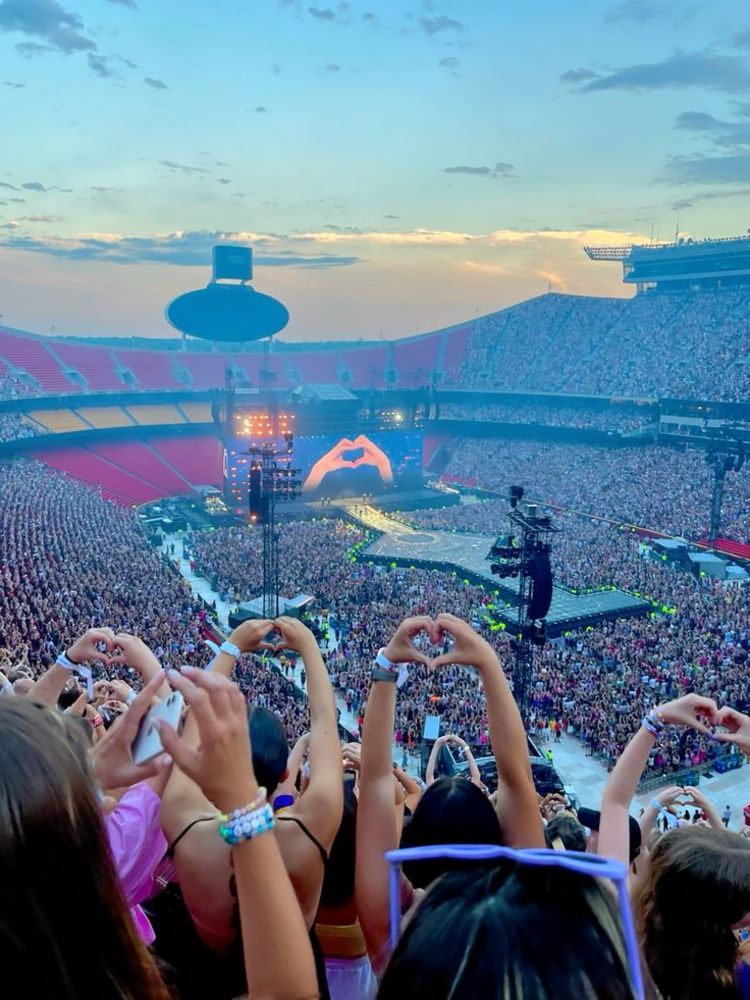
Eras tour Kansas City; Credits: Pinterest
Eras tour Kansas City; Credits: Pinterest
Some fans think that even though there is an overload of content on Swift, she should use this to discuss more important things. With her platform as the most prominent figure in pop culture, she should talk about political and economic issues plaguing us. Like she has during the elections in the US as recently as March 5, 2024, urging voters to register and vote for their candidates and fighting for the equality rights of the LGBTQ+ community.
In the fall of 2018, for the first time, Swift spoke publicly about politics to intervene on behalf of Democrats in a midterm election in her home state of Tennessee. She successfully enlisted tens of thousands of young people to register to vote from one Instagram post. During the 2020 election cycle, she endorsed Joe Biden and tweeted, “we will vote you out” toward the then-President Donald Trump. Swift increasingly became vocal about political and social issues. She also released a pro-gay anthem, You Need to Calm Down, for her 2019 album Lover with prominent LGBTQ+ figures. Before the release, the singer started a petition at Change.org urging fans to write letters to their senators demanding they pass the Equality Act. She has also spoken up after the Supreme Court overturned federal abortion rights in Roe v. Wade in 2022. The 34-year-old also made significant donations to gun control organizations after the shooting in Parkland, Florida, in 2018 and spoke out against gun violence after the mass shooting in Uvalde, Texas, in 2022. All of which goes to show the power of her actions and influence in modern culture.
Dusha Castro said: "In the year of Chappell Roan, it's hard to see that she can't do the bare minimum. Even the young singer Olivia Rodrigo can take a stand for reproductive rights. Taylor doesn't need to talk about it, but donating to Palestine relief, for example, and letting other Swifties follow suit would have been great. I'm not in a great financial situation, but I'm responsible for $1k+ being donated to Palestine Relief by making books. If I can do it, I'm disappointed she chooses not to."
A pub-goer at The Black Dog shared the same thought; she said: "She does not do enough politically with her platform. Allegedly being the most famous person in the world but has said nothing about Gaza or anything else happening right now."
Swift may have been silent about the Palestine-Gaza conflict, but she is doing her part in making sure she leaves the cities on her Eras Tour route a little better than she found them. In the first UK leg of the tour, the 34-year-old pop star has donated significantly to the food banks in Liverpool, Cardiff and Dublin. A food bank in Liverpool said that Swift’s donations would help get it through the next 12 months. This is not the first time on this tour the 14-time Grammy winner has donated to food banks. Arizona, Nevada and Florida are among locations that have benefitted from the singer’s donation in the US leg of her tour.
However, the ardent fans are hardly bothered; in fact, they're feeding on the content and wishing for more. Sameeksha Mishra said: "It’s good that Taylor is taking her rightful space; I would want more women to be all over the internet talking about life from a woman’s perspective. She will never be enough." Another Swiftie thinks: "She is on the right spot, and I love seeing her everywhere; she has worked hard for this, and she deserves this."
Swifties at the Eras tour outside the Wembley Stadium ; Credits: Angira Sen via Tiktok
Pratyusha Sen, another Swiftie, said: “No, it doesn't bother me. But there's too much content on her love life and relationships than her art, which makes me sad."
“So many of my friends who don’t particularly like Taylor Swift know so much about her for this reason. People learn about her from different angles e.g., economists talking about her impact on the economy, environmentalists talking about her jet’s CO2 impact. She is Beatlemania of the 21st century.”





When you’re at the top of your game, the only way you can go is down. Historically, this does not bode well for women. Once a well-known woman is labelled as "overexposed," "thirsty," or "too much," the public's interest often wanes quickly - because people love nothing more than building a woman up just to tear her down. Just ask Anne Hathaway or Jennifer Lawrence, or even Margot Robbie.
"You either die the hero or live long enough to admit that you have Taylor Swift fatigue," one X user tweeted.
Even if you're not well-versed in Swiftie-lore, you would know that Swift was equally ubiquitous during the 1989 era in 2016. The Grammy winner was everywhere, from countless pap walks with her girl squad to breaking the internet with 'Hiddleswift' while dating Tom Hiddleston. Then happened the Kimye-snake saga, leading to her disappearing from the public eye. Some Swifties are fearing a similar end.
However, Swift is not the only one who risks being overexposed. Other successful artists may face similar situations, albeit not at Swift's scale. Less than two years after Olivia Rodrigo's rise to fame and the record-breaking debut of her first album, a similar noise was made. The media criticised Rodrigo for sounding and appearing “the same,” still singing about heartbreak and making purple album covers. Last summer, we got abundant content on Margot Robbie after 'Barbie', and the actor took a pre-emptive stance of stepping away from the screens for a while because she thought "everyone’s probably sick of the sight of me".
Unquestionably, Taylor Swift's omnipresence in the digital age is a multifaceted phenomenon that evokes a spectrum of reactions. But this isn't just a testament to her immense influence; it mirrors our media-consuming patterns. For some, her relentless engagement and expansive Eras Tour have cemented her cultural dominance and invigorated her fanbase. Others, however, feel a sense of fatigue and oversaturation, questioning the sustainability and impact of such pervasive visibility. In other words, when it comes to these overexposed claims and criticism from non-fans who wish Swift would take a sabbatical - Swifties worldwide will probably just “Shake It Off.”
In the acceptance speech for the BRITs Global Icon Award 2021, Swift said: “There is no career path that comes free of negativity - if you’re met with resistance that probably means you’re doing something new... We live in a world where anyone has the right to say anything that they want about you at any time, but please remember you have the right to prove them wrong.”
Whether her omnipresence ultimately strengthens or diminishes her legacy remains to be seen, but one thing is sure: Taylor Swift's impact on the modern cultural zeitgeist is undeniable.

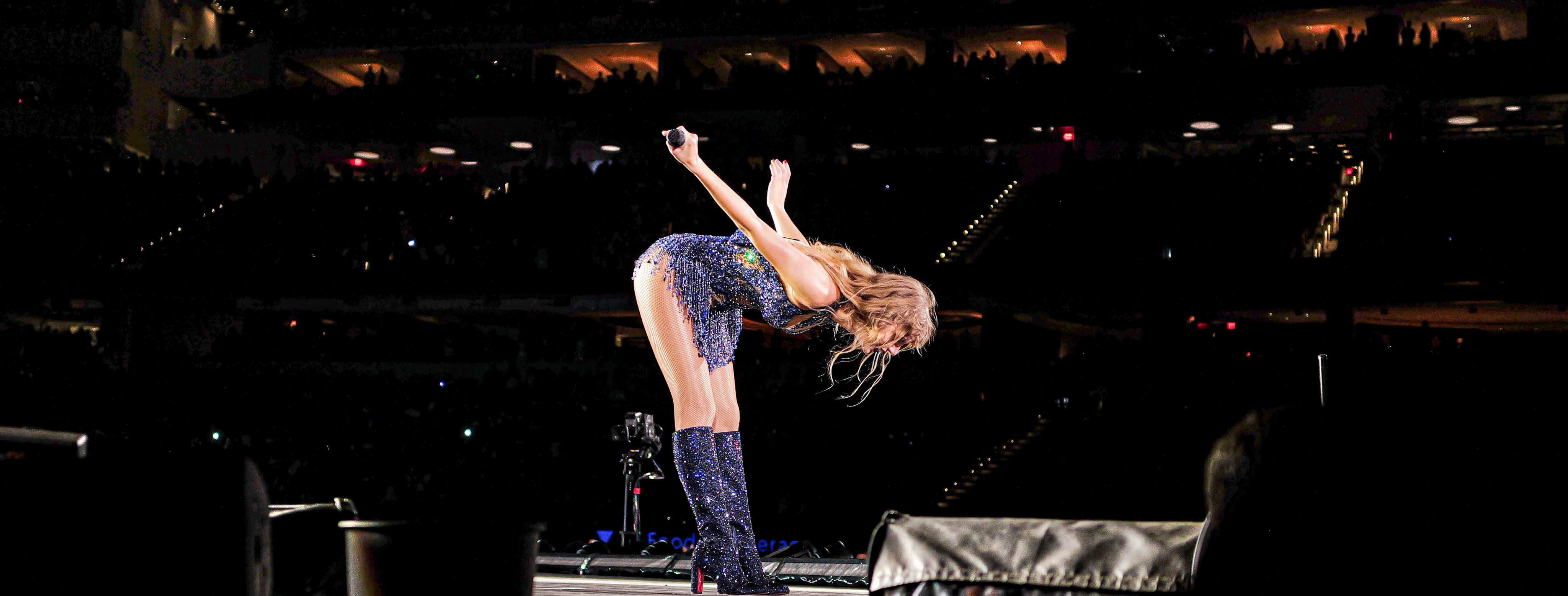
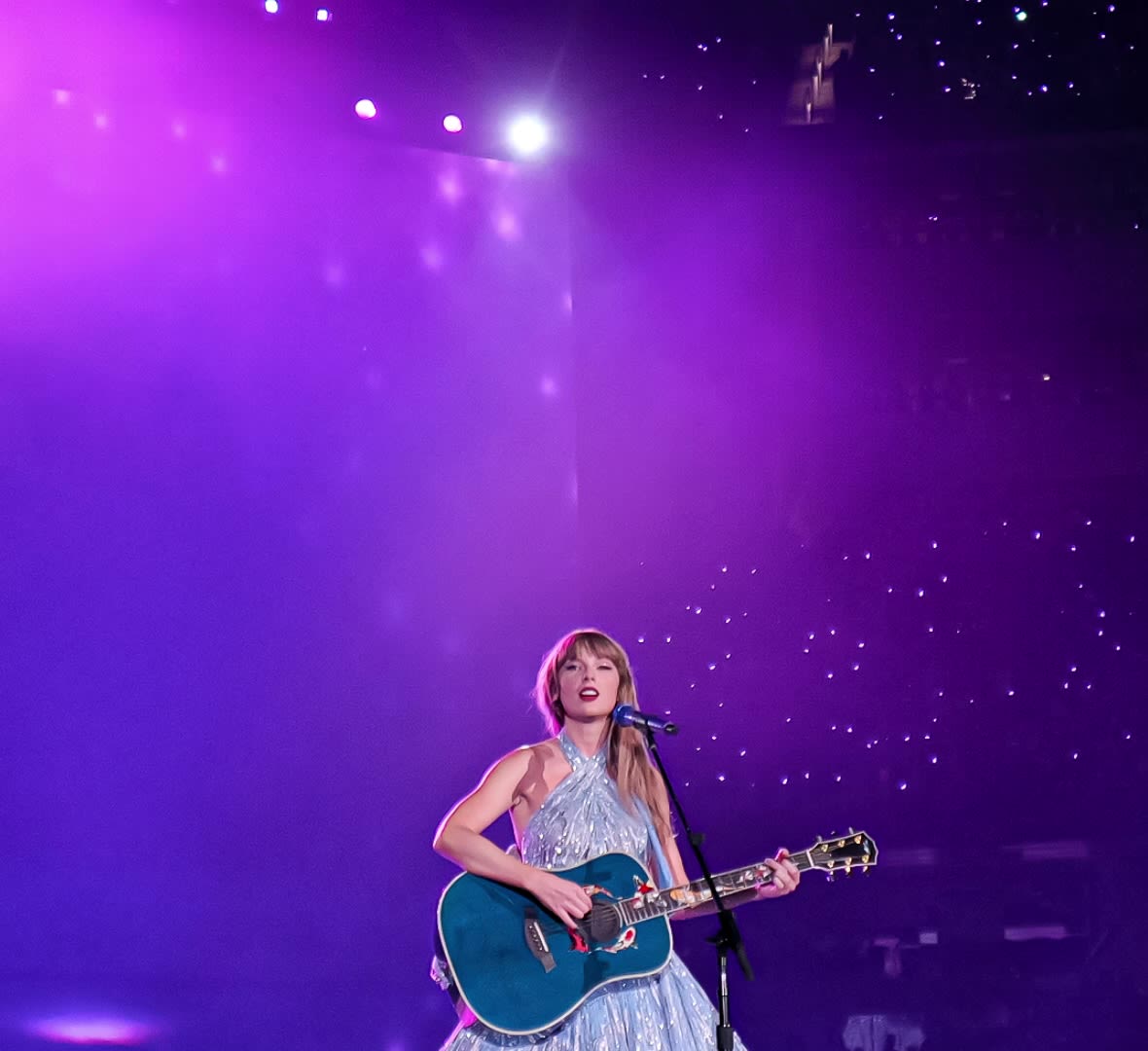
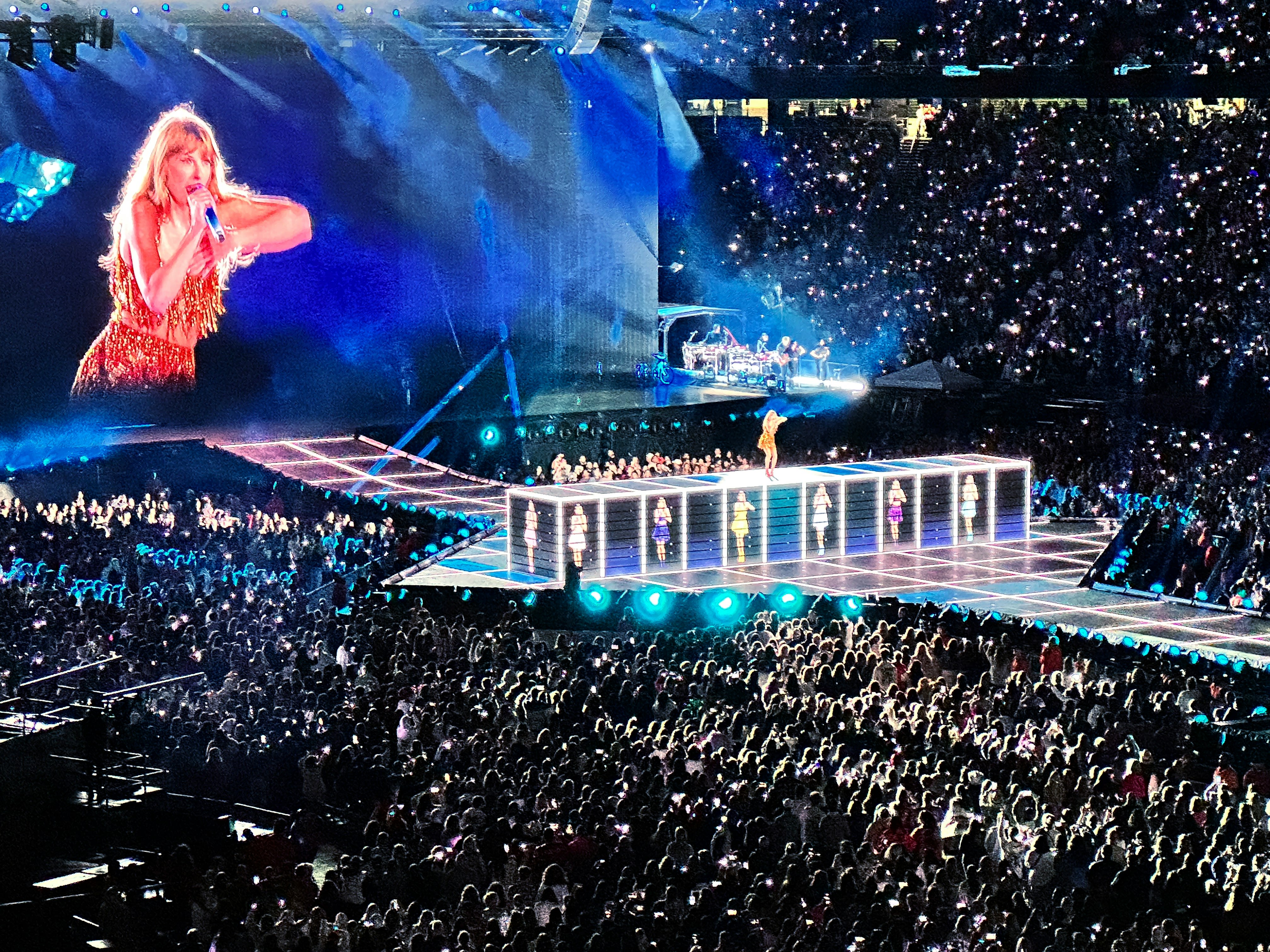
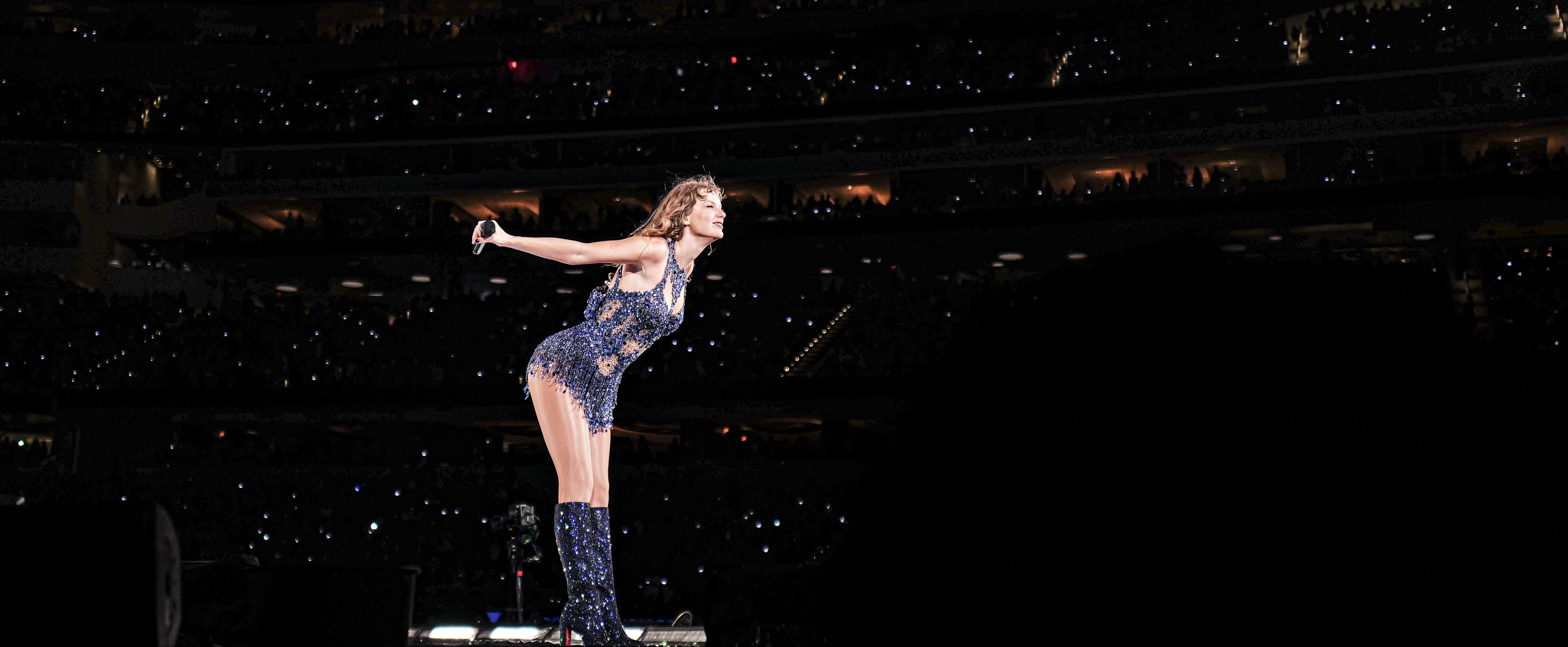
Taylor Swift at Eras Tour ; Credits: Paolo Villanueva via Flickr @itspaolopv
Taylor Swift at Eras Tour ; Credits: Paolo Villanueva via Flickr @itspaolopv
 Built with Shorthand