
Cigars, sobriety, and style with Ki Price
Ollie Cox
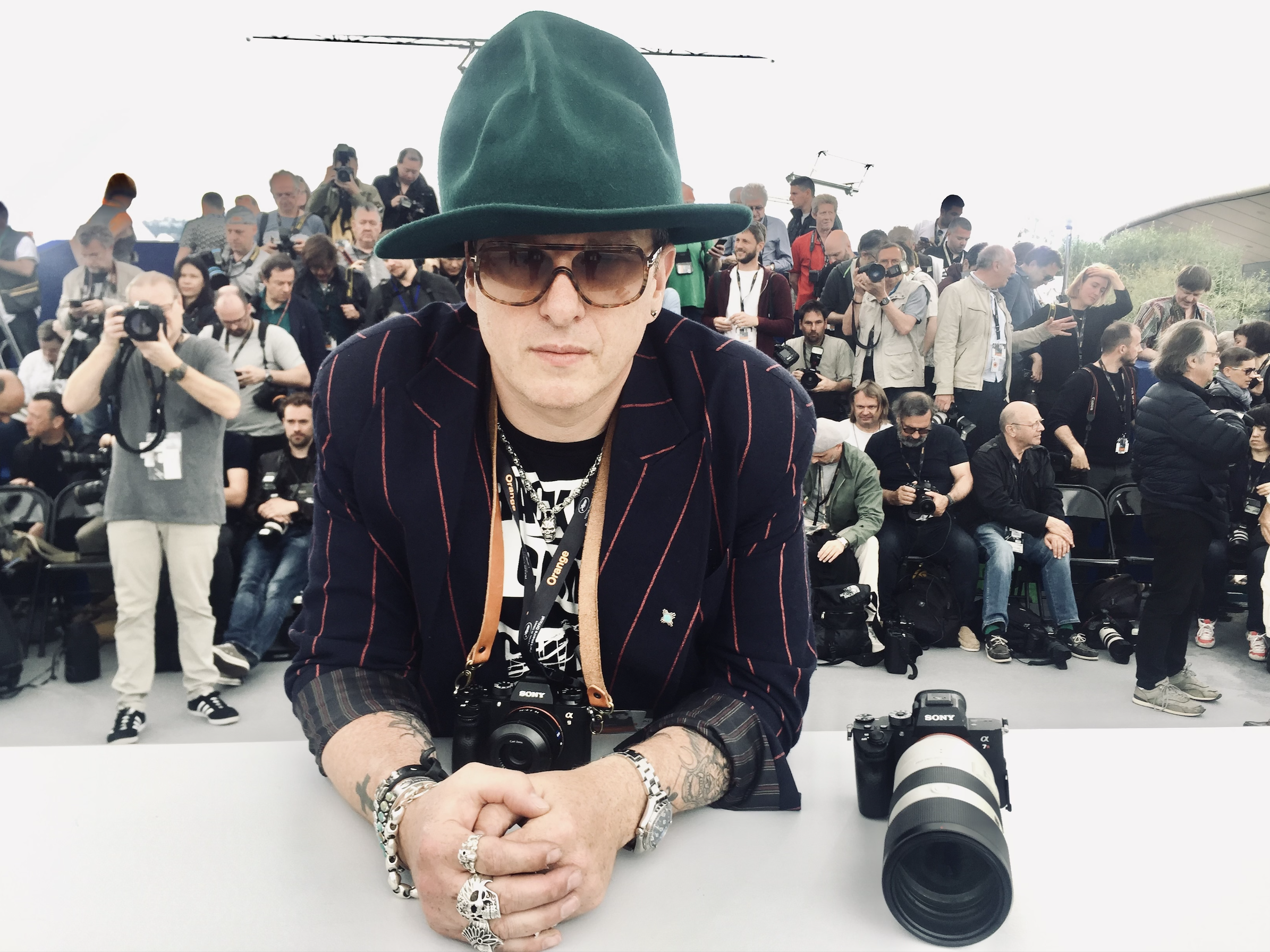

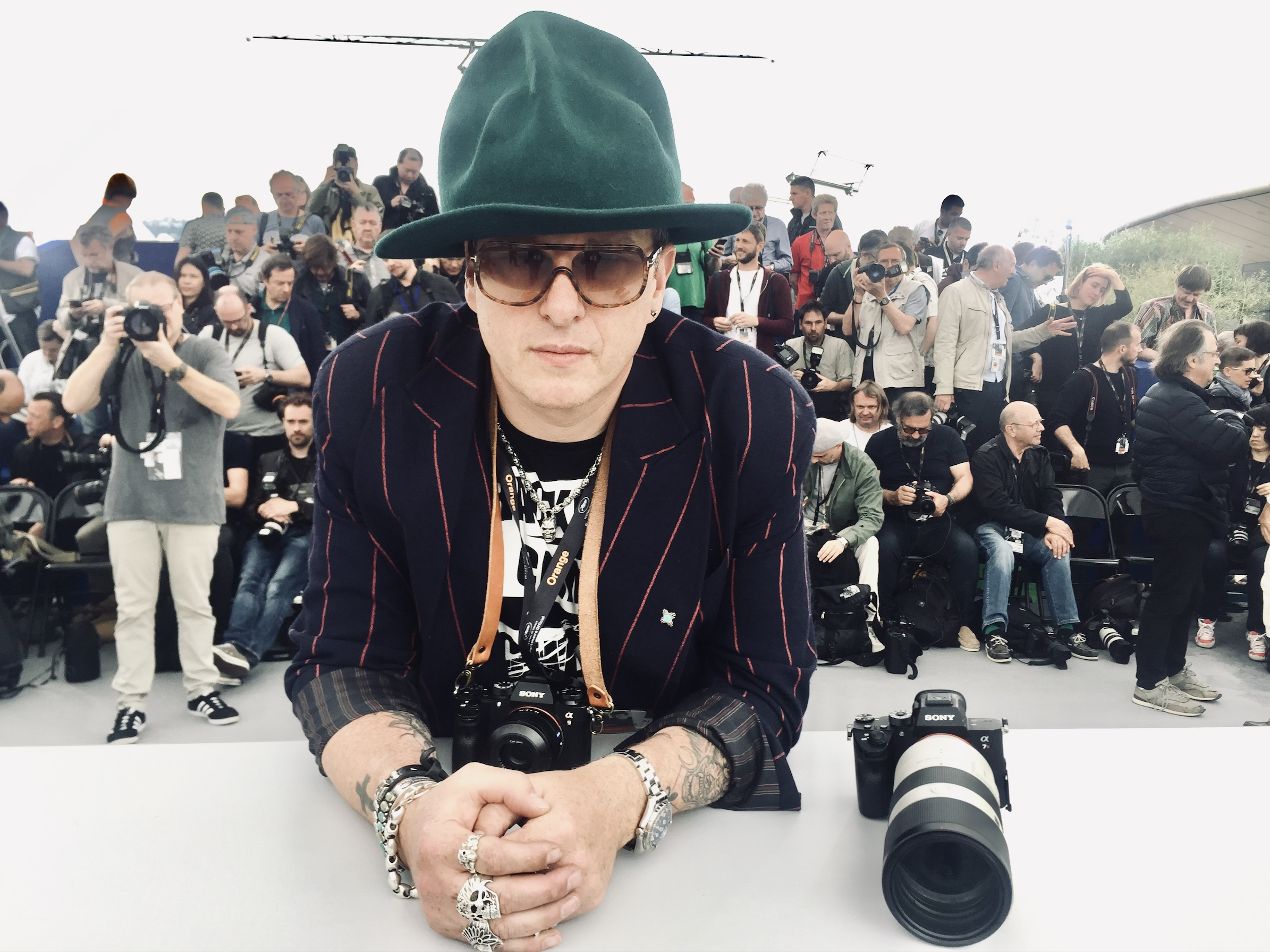
Nestled away from the bustling Old Compton Street, a private members club stands in a narrow Soho terrace. Ki Price sits cross-legged, calmly lighting a cigar, the smell lingering at the top of the stairs. Amongst the suit-clad smokers beside him, his pinstripe trousers paired with chunky leather creepers are a welcome sight. His left shoe is well worn from the clutch of his motorcycle. An off-centre flat cap is paired with heavy sterling silver jewellery, a mix of turquoise onyxes and skulls, a combination that fits perfectly in London’s red-light district where sleaze and style come together.
Price feels that “style is something unique”, noting that standing out is better than the mainstream. “People remember me by my style rather than my work. There are a lot of good photographers about, but people remember personalities and faces.”
His journey from a University of Westminster student to a photojournalist for the Times, taking pictures of the royals whilst overcoming addiction, is summed up by Price with one word: “Fuck!” This deliberately humble response could infer he was overwhelmed by his role. However, my encounters with Price inform me this reflects his creative and driven approach to photography.

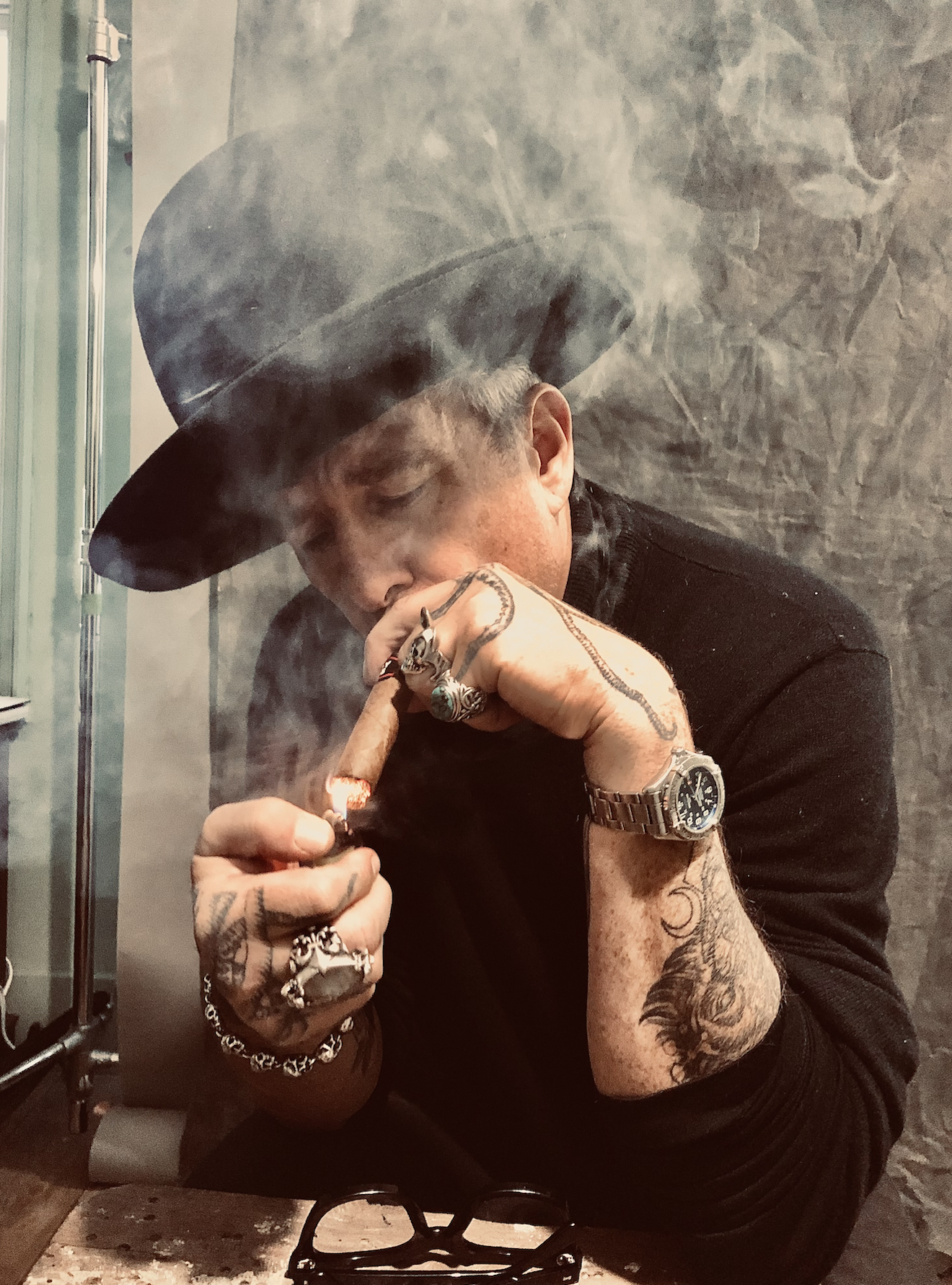
Ki in his studio. Credit: Ollie Cox
Ki in his studio. Credit: Ollie Cox

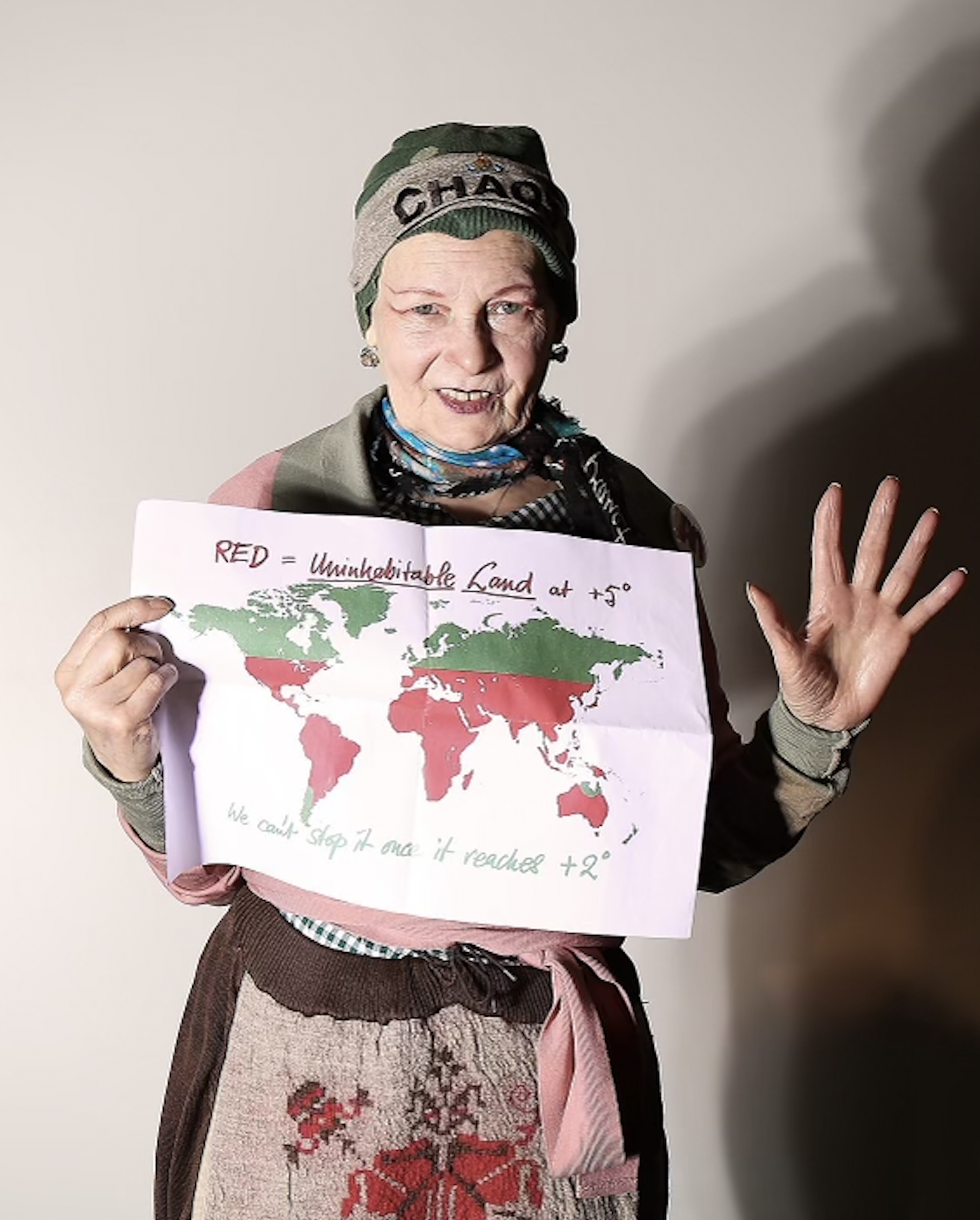
Price shoots with long time collaborator and friend Vivienne Westwood to protest climate change. Credit: Ki Price
Price shoots with long time collaborator and friend Vivienne Westwood to protest climate change. Credit: Ki Price

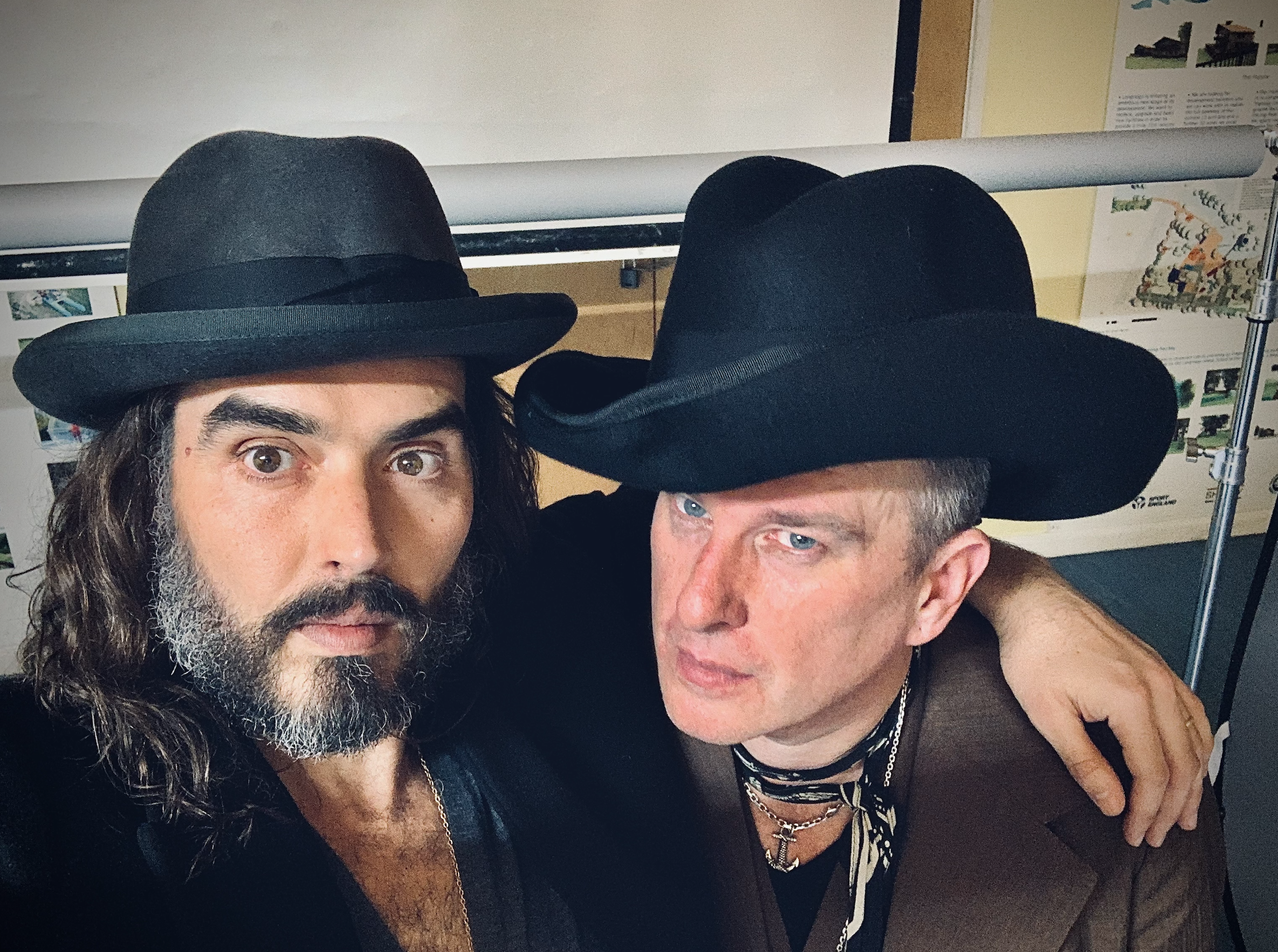
Price with Russell Brand. Credit: Ki Price
Price with Russell Brand. Credit: Ki Price
Price and I first crossed paths during a shoot for Berwick Street’s newest addition, Dunno Curated (a vintage designer store). The shoot involved skateboarding and bikes. He is “massively into subcultures, drag, skating, couriers. Anything with a story”. The conversation led to the subcultures that he has been a part of; I am informed that he was a skateboarder in his earlier years before talking about the rave scene.
“The rave scene was a fucking incredible time; the UK went from drinking culture to dropping a pill in a field and being in love with everyone,” the photographer explains. Later, Price recalls a vivid personal memory: “I’d smoked puff, I’d taken speed before. But at my first rave I took a ‘disco biscuit’, it was like 25 quid, huge amounts of money. But that with the beat of the music was fucking phenomenal.” It is clear the rave scene has inspired his love for subcultures and is reflected in his photography.
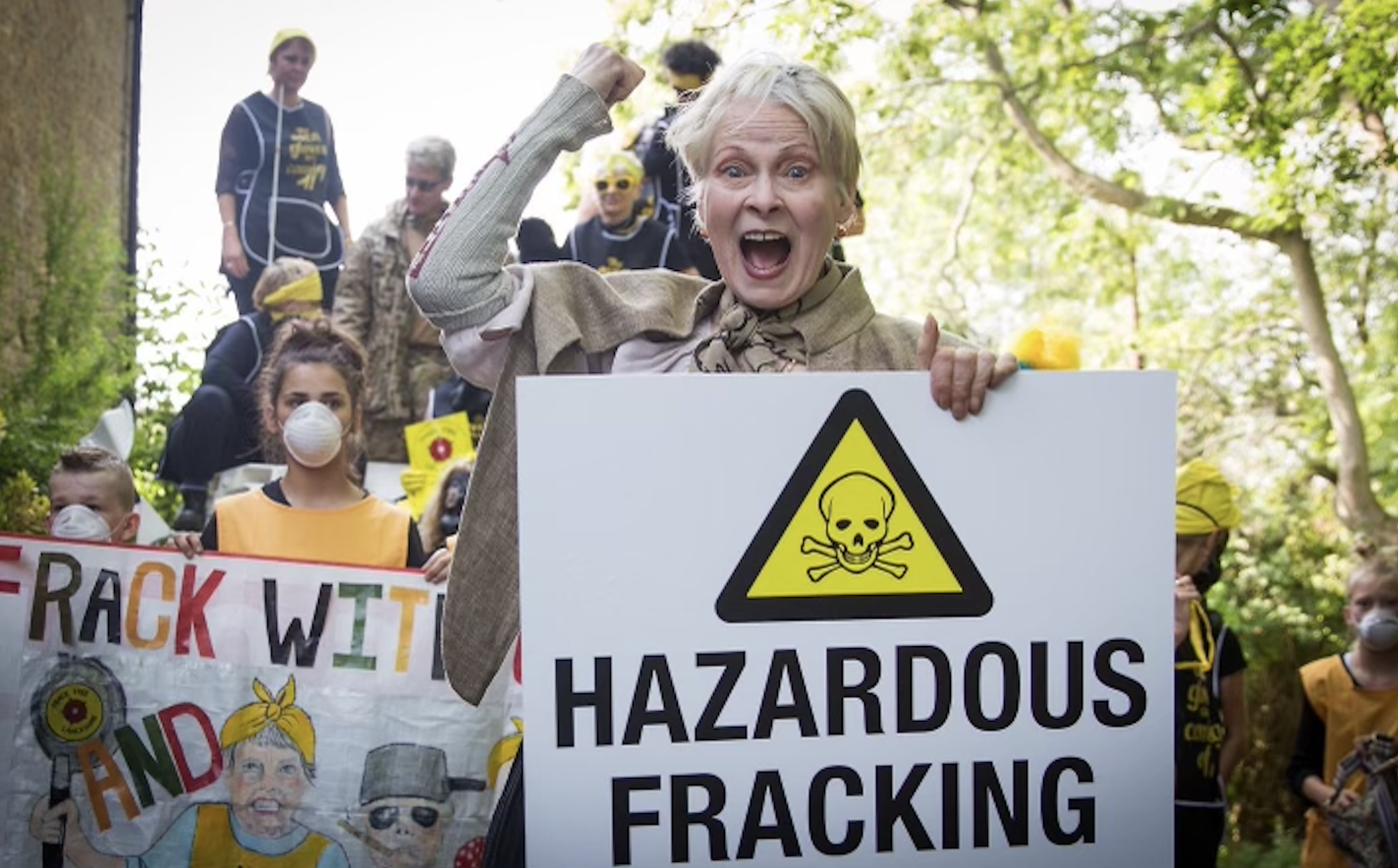
Price is known for his working relationship with Vivienne Westwood, a pioneer of the punk subculture. His documentation of the fashion icon in anti-fracking protests highlights her authenticity, he says. Price “thought she was going to be staying in hotels, but she didn’t. She bunked down in the tour bus”. His role in PR on the tour led to striking images of Westwood’s participation in anti-fracking protests being featured in the national press. The designer has been an avid anti-fracking protestor and once drove a tank to David Cameron’s family home in Oxfordshire. Price feels that Westwood’s authenticity can be attributed to the fact that: “Vivienne and her husband are readers, all their inspiration comes from books.” The photographer also states: “Everything is there in our history. To be authentic, I go back in time and look at different stuff for my sanity.” Reference is important in his work, he questions, “how you get people to do something unique that 20 other photographers haven’t already managed to do?"

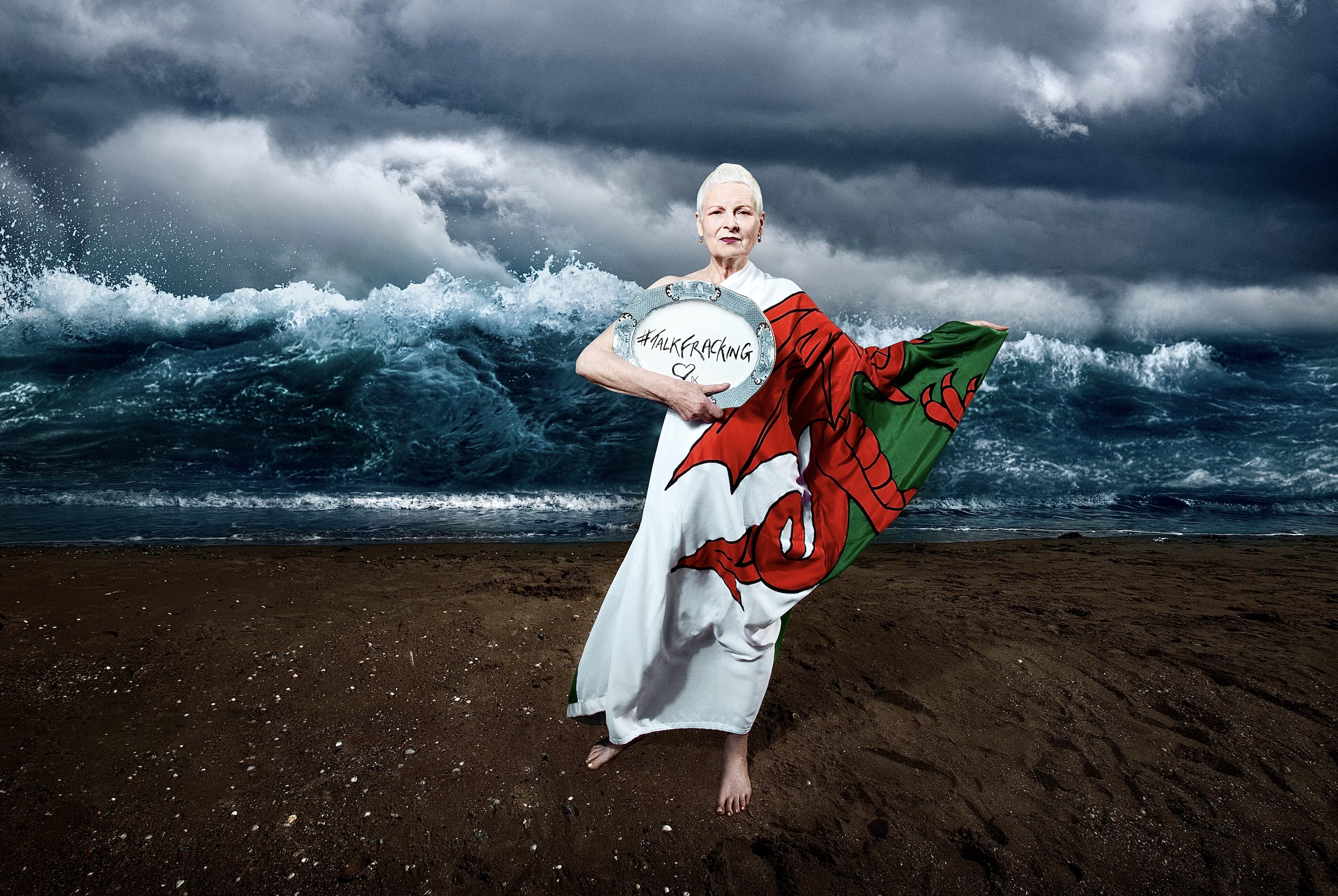
Vivienne Westwood photographed by Ki Price. Credit: Ki Price
Vivienne Westwood photographed by Ki Price. Credit: Ki Price
Price’s sobriety and battles with addiction are less well-known. When asked why and how he started taking drugs, he first jokes about the rave scene before detailing other factors. “I grew up in a very bohemian family, parents of the sixties, we all used to get twatted in college. That was what it was for.” Price jokes about the ‘Just Say No’ campaign in the late 80s, saying that “drugs looked like the most amazing thing”. However, at 32, he decided to go sober, recalling how “you could have a studio and take loads of cocaine, and everyone thought you were the coolest guy around. You’d shoot through the night. But the reality of that is you start becoming unreliable, and people are nervous about shooting with you”.
Ki Price shooting a band editorial. Credit: MPB YouTube
There is a notable pause in the conversation before Ki responds to my shock at his use of hard drugs: “Heroin was seen as a really dirty drug, but I was inspired by the beat generation, and loads of people took opium and heroin. We were quite an arty crowd doing it. It wasn’t all scuzzy, of course, there were bits that were dark, but we’d be in our trilby hats and be all mysterious about it.” When asked if speaking about heroin is a part of his recovery, Price responds half-jokingly, stating: “Whilst I stay clean it makes a good story, if I relapse, not so much," serving as a sobering reminder of the difficulty of addiction. Coming into this interview, he had recently photographed a group of homeless actors. He feels by doing this he is “giving people hope” and attributes it to 12 step recovery. In the mutual aid programme to overcome addiction, he points out: “Everyone was from different backgrounds, but they had all been where I had been.”
“Whilst I stay clean it makes a good story, if I relapse, not so much"

“No”, he responds when asked if fashion is still obsessed with intoxication. However, after giving the question more thought, he responds by saying, “there is a fascination with being edgy in the fashion industry; druggies have that edge and mystery”. When asked about his experience he believed that the only people bothered by his sobriety are “the ones who have an issue”. He adds: “I don’t see many 48-year-olds getting on It now, actually yes I do.” Price finishes his cigar. He discards it into a now full ashtray and descends the narrow staircase into the busy streets of Soho, greeted by the chants of noisy revellers. My initial question is answered. Authenticity is possible in 2021, as seen in Ki Price. We must study the past and grow from our own experiences.
 Built with Shorthand